Volvo XC60 XC90 Hybrid Cars SUV
Volvo launches a plug-in hybrid challenge: up to 200 km of electric range for the XC60 PHEV and 160 km for the XC90 PHEV
 Antonio Roncero @roncero_antonio
15 September 2026
5 min.
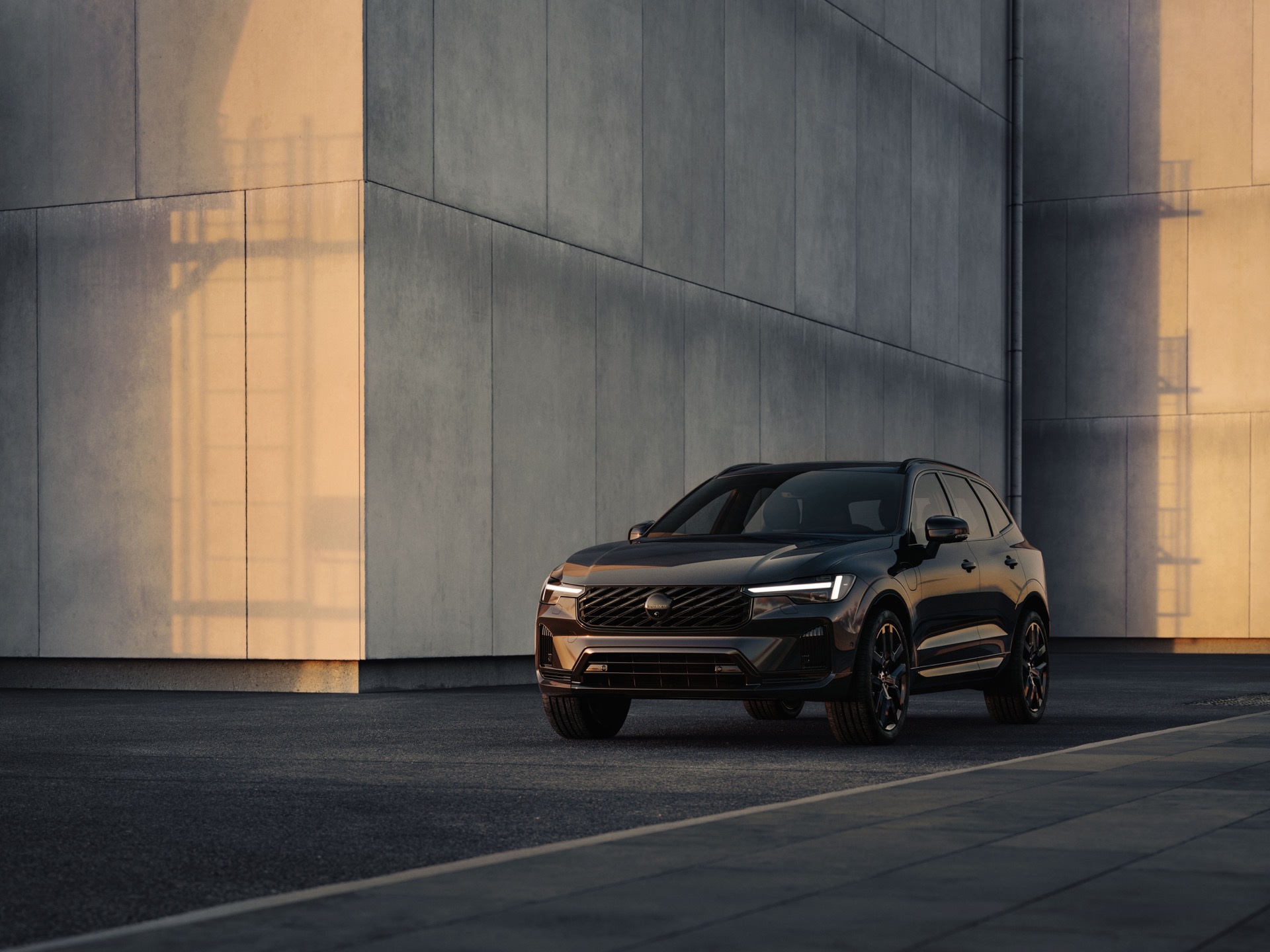
Volvo takes a big step forward with its plug-in hybrids, with the XC60 and XC90 offering extended range: more kilometres without petrol and a thorough overhaul for the XC60.
Plug-in hybrids are changing. It is no longer enough to offer electric range for a few urban trips: the new generations allow increasingly longer journeys to be completed without starting the combustion engine. Volvo now takes this evolution a step further with the new long-range PHEV versions of the XC60 and XC90, which promise up to 200 and 160 electric kilometres, respectively.
These are preliminary figures based on WLTP tests, pending final homologation values, but they point to a significant leap: according to Volvo, electric range is more than two and a half times higher than that of its current plug-in variants, and they place these two SUVs in a particularly competitive position against the premium brands that have traditionally dominated their segments.
The XC60 puts distance between itself and its premium rivals
The most striking figure corresponds to the new XC60. Reaching up to 200 kilometres on a single charge considerably extends the electric usage margin of a plug-in hybrid SUV. For many drivers who can recharge at home or at work, it would allow several days of regular commuting to be covered without using any petrol. For reference, the Audi Q5 e-hybrid promises up to 100 electric kilometres, while BMW puts the range of the X5 xDrive50e at up to 110 kilometres.
In the XC90, the announced 160 kilometres carry the same philosophy over to a seven-seat family SUV. The proposition becomes more interesting for those who need a spacious vehicle, cover a good part of their journeys daily, and want to keep the flexibility of a petrol engine for long trips.
The main technical novelty is a higher-capacity battery integrated into the floor, accompanied by a more powerful electric motor. It could not be otherwise, since this gain is not something achieved through a mere tweak to the hybrid system’s management.
For now, Volvo has not disclosed the gross and usable battery capacity, the power of the new electric motors, the combined system output, or the charging times and powers. These are important data for assessing the full scope of this evolution, especially how long they will take to recharge such a high electric range. The effect of the new battery integration on usable space will also need checking. The new floor-mounted battery layout is confirmed, but for the moment no changes to boot capacity or cabin dimensions are detailed.
Volvo reinforces the plug-in hybrid as a bridge to electric
The move has a strategic reading. Volvo maintains its goal of moving towards a fully electric range, but at the same time invests in two of its most important models to offer an alternative to customers who are not yet ready to take that step. The XC60 is Volvo’s best-selling model in history, and the XC90 remains a benchmark within its family offering. Extending their electric range allows both models to be updated and brings their everyday use closer to that of an electric car, while retaining the option to travel on petrol when recharging is not practical.
That said, making the most of this advantage requires plugging them in regularly. The additional range only makes sense when the battery’s energy is used; it does not eliminate the need for charging, nor does it automatically turn every journey into a zero-tailpipe-emission trip. Both SUVs will also keep mild-hybrid versions, so this expansion of the PHEV line-up does not mean the disappearance of non-plug-in alternatives.
The XC60 also changes inside and out
The new powertrain comes alongside a considerable overhaul of the XC60. Outside, the grille, front bumper, bonnet and wings are modified, and new wheels are added. The Matrix LED headlights reinterpret the characteristic light signature of the “Thor’s hammer”. At the rear, the tailgate, LED tail lights and bumper change, with a design that accentuates the horizontal lines. The cabin receives a new dashboard and door panels, along with new material and upholstery options, including ventilated Nappa leather in Cardamom colour.
The 11.2-inch central screen provides access to the Volvo Car UX system. Google Gemini is also incorporated to interact via natural language with functions such as trip planning or message management, depending on service availability in each market. In safety and driver assistance, Volvo announces an updated set of radars, cameras and sensors. Among the functions described are automatic emergency steering and braking, a cyclist alert when opening the doors, a lane change assistant, and a 360-degree camera with 3D representation.
The XC90 benefits from the recent design and technology updates and also adds Google Gemini. It keeps its seven-seat configuration and options such as the Bowers & Wilkins sound system.
Volvo opens orders for the new XC60 and XC90 in selected markets from 15 September, including the Black Edition variants, and expects to begin production at the end of this autumn.
Technical specifications of the cars in this article

 Peugeot E-208 GTi: a battery-powered toy that revives the spirit of the 1980s sports cars
 New Lexus ES: luxury grows and goes electric
 First contact with the Dacia Sandero Hybrid 155: power and efficiency from €19,890
Deja un comentario