BMW will begin production of the batteries for the iX5 in December
 Javier Cantagalli
28 July 2026
2 min.
The iX5 is the electric version of the new generation of the popular X5 premium SUV from the Bavarian manufacturer.
BMW’s new plant in Woodruff, South Carolina, is preparing to start series production of high-voltage batteries for the iX5 in December, the new electric SUV from the Bavarian company presented last month. This facility, located near the Spartanburg vehicle plant, is a strategic pillar for the North American market, although the units produced there for the iX5 will also be exported to Europe.
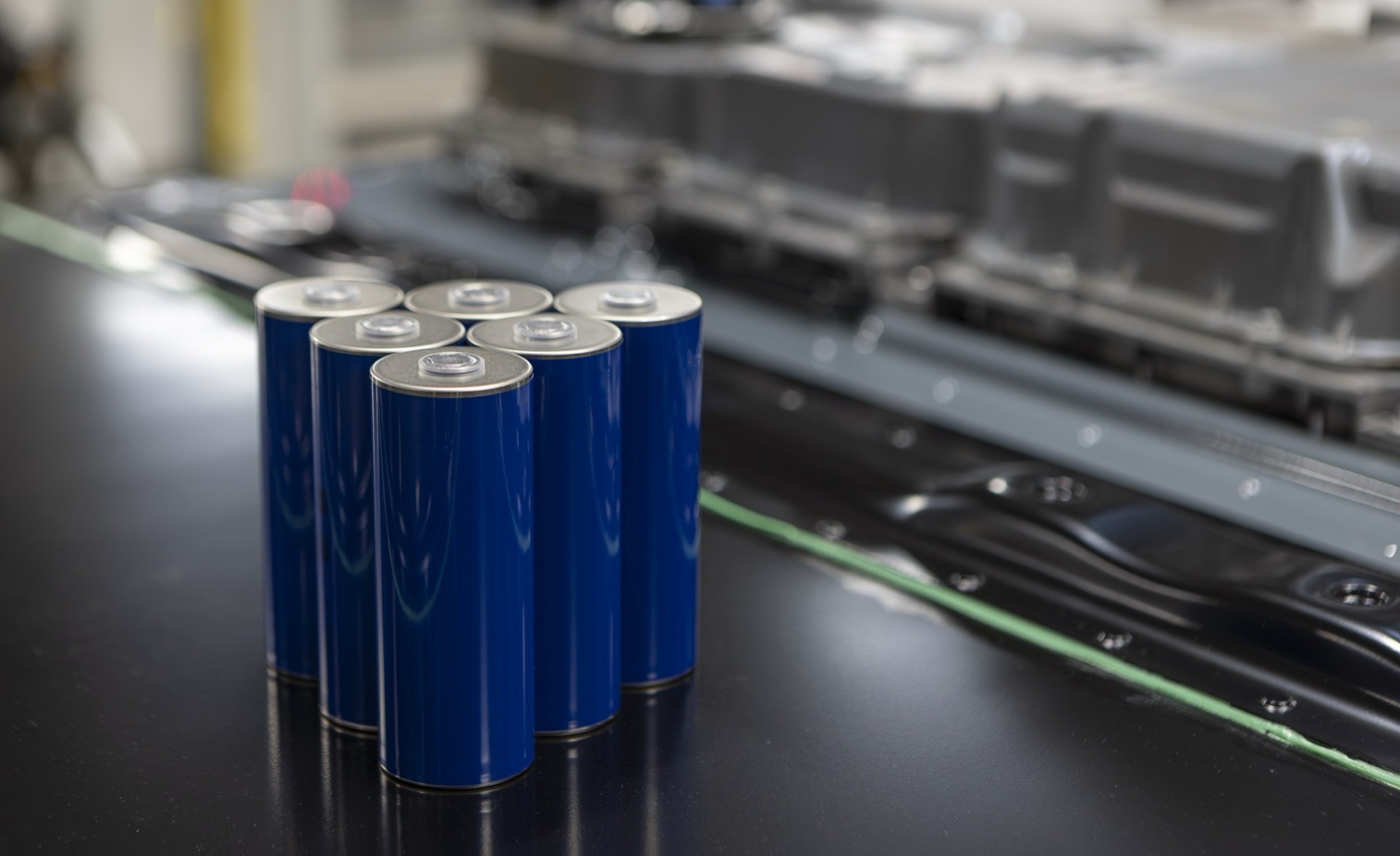
BMW has bet on cutting-edge technologies at this centre. The new 46120 format cylindrical cells, supplied by AESC, are integrated directly into the battery pack using cell-to-pack technology. The entire process is monitored in real time, with artificial intelligence assistants working alongside more than 300 employees and 250 robots to ensure defect-free production.
During planning and commissioning, the company made intensive use of digital tools. Virtual reality applications facilitated the plant’s design, while workers were trained with a specially developed VR training programme that allowed them to practise real processes in a virtual environment.
“Woodruff plays a key role in driving electromobility in the United States. With our sixth-generation high-voltage battery we are not only making an important technological leap, but also setting new production standards. Here we combine state-of-the-art processes, artificial intelligence and the expertise of our teams to achieve the highest quality.”
The BMW iX5 features one of the largest-capacity batteries on the market
From a technical standpoint, this new SUV uses an 800-volt architecture. The BMW iX5 60 xDrive offers a usable net capacity of 144 kWh in the US market and 141 kWh in Europe.
In terms of sustainability, the sixth-generation cells reduce CO₂ emissions by around 28 percent compared with the previous generation, thanks to the use of secondary materials (cobalt, lithium and nickel) and green electricity in their manufacture. The Woodruff plant itself operates without fossil fuels under normal conditions and uses hydrogen to power the material handling equipment.


 Peugeot E-208 GTi: a battery-powered toy that revives the spirit of the 1980s sports cars
 New Lexus ES: luxury grows and goes electric
 First contact with the Dacia Sandero Hybrid 155: power and efficiency from €19,890
Deja un comentario