BMW will stop offering Level 3 autonomous driving in its high-end vehicles
 Javier Cantagalli
24 February 2026
3 min.
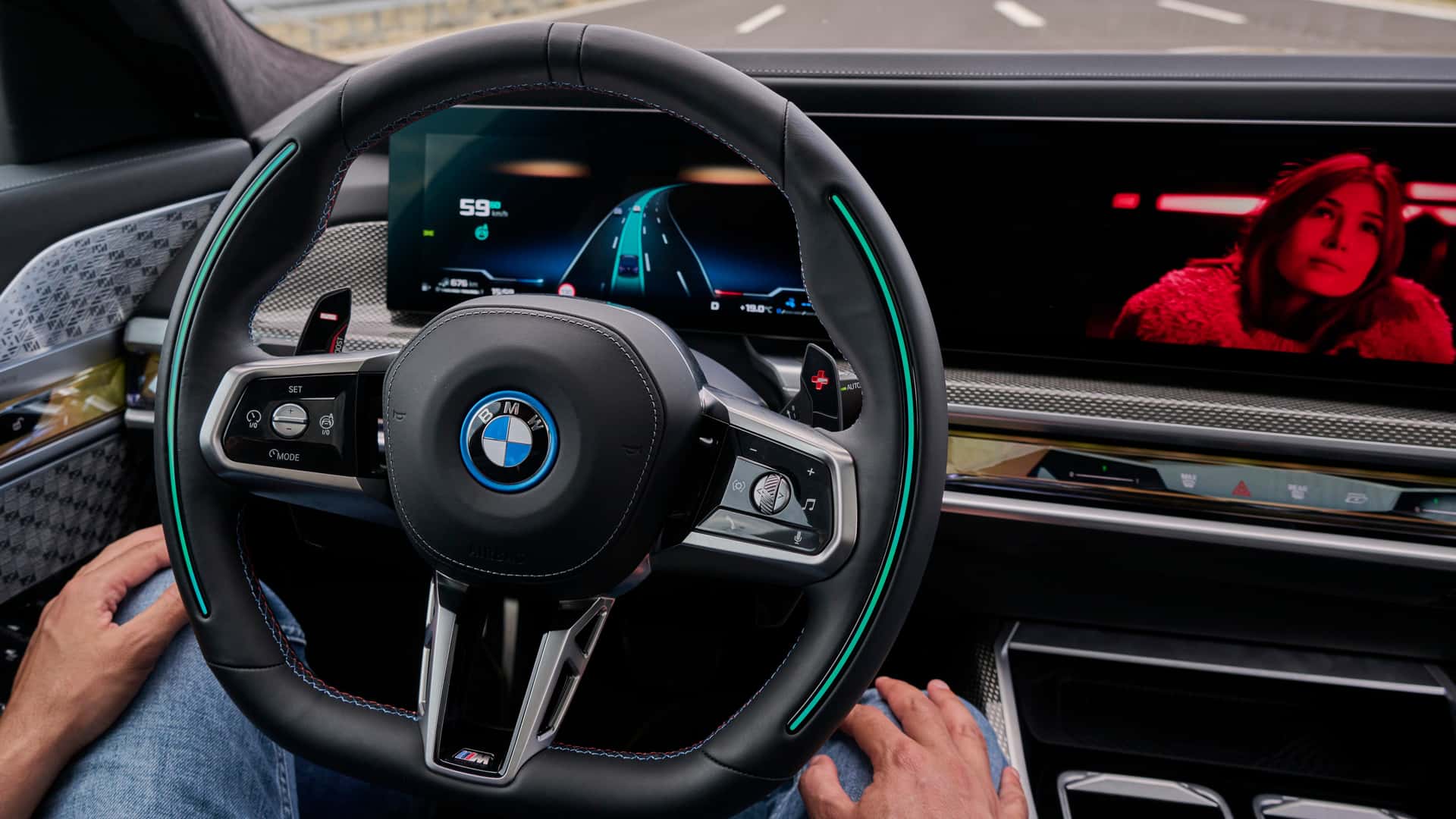
The Bavarian manufacturer has concluded that the limited use cases of Level 3 driving systems it can offer today, combined with their high cost, do not represent an attractive option for its customers.
Following in the footsteps of Mercedes-Benz, BMW has decided to eliminate its Personal Pilot L3 system in the upcoming refresh of the 7 Series, due to debut around late April 2026. Launched in 2024, this system allows the vehicle to drive autonomously without the driver keeping their hands on the steering wheel, and even without paying attention to the road, but only under very specific conditions: on motorways and at speeds of up to 60 km/h. This can be useful only in traffic jams or slow-moving traffic situations.
With this system, the vehicle fully takes over steering, acceleration and braking under the aforementioned conditions, allowing the driver to engage in other activities, such as checking their mobile device or watching multimedia content on the vehicle’s screen. However, the driver must remain able to take back control, more or less quickly, if the vehicle requests it. It is therefore not possible to nap behind the wheel.
The limited use cases of this system and the high price of the hardware required for its operation, including a LiDAR sensor, at an additional cost to the customer of around 6,000 euros, have ultimately led BMW to drop it in the upcoming refresh of the 7 Series, prioritising Level 2+ driver assistance systems, which cost substantially less.
BMW is reconfiguring its catalogue of available optional packages
In the updated 7 Series luxury saloon from the Bavarian manufacturer, including the fully electric i7 version, the driver assistance system available as an optional package will have a much more accessible price, around 1,500 euros, just as already happens with the iX3. The first model of BMW’s Neue Klasse introduces a new motorway driving assistant that allows drivers to take their hands off the steering wheel at speeds of up to 130 km/h, provided the driver keeps their eyes on the road at all times and confirms automatic lane changes with a glance.
This optional package, available for 1,450 euros on the iX3, also includes initial urban functions, such as automatic stopping and starting at red lights, with greater capabilities in complex environments to come via OTA updates. It is also worth noting that it holds DCAS certification, which facilitates its commercialisation in up to 60 countries.
This decision by BMW comes shortly after Mercedes-Benz announced the suspension of its Drive Pilot programme, which likewise offered Level 3 autonomous driving on motorways at a maximum speed of 95 km/h, available since 2021 on the S-Class and EQS. In the most recent refresh of the S-Class, the German firm introduces in its place the so-called MB.Drive Assist Pro, a Level 2+ system with advanced partial assistance capabilities.
Both manufacturers appear to have reached the same conclusion and now consider that, for the time being, Level 2+ systems offer a better balance between functionality, cost and user acceptance, while they continue developing more advanced technologies for the future.


 Peugeot E-208 GTi: a battery-powered toy that revives the spirit of the 1980s sports cars
 New Lexus ES: luxury grows and goes electric
 First contact with the Dacia Sandero Hybrid 155: power and efficiency from €19,890
Deja un comentario