Hyundai doubles down on virtual gear shifting for high-performance electric models
 Javier Cantagalli
25 June 2026
2 min.
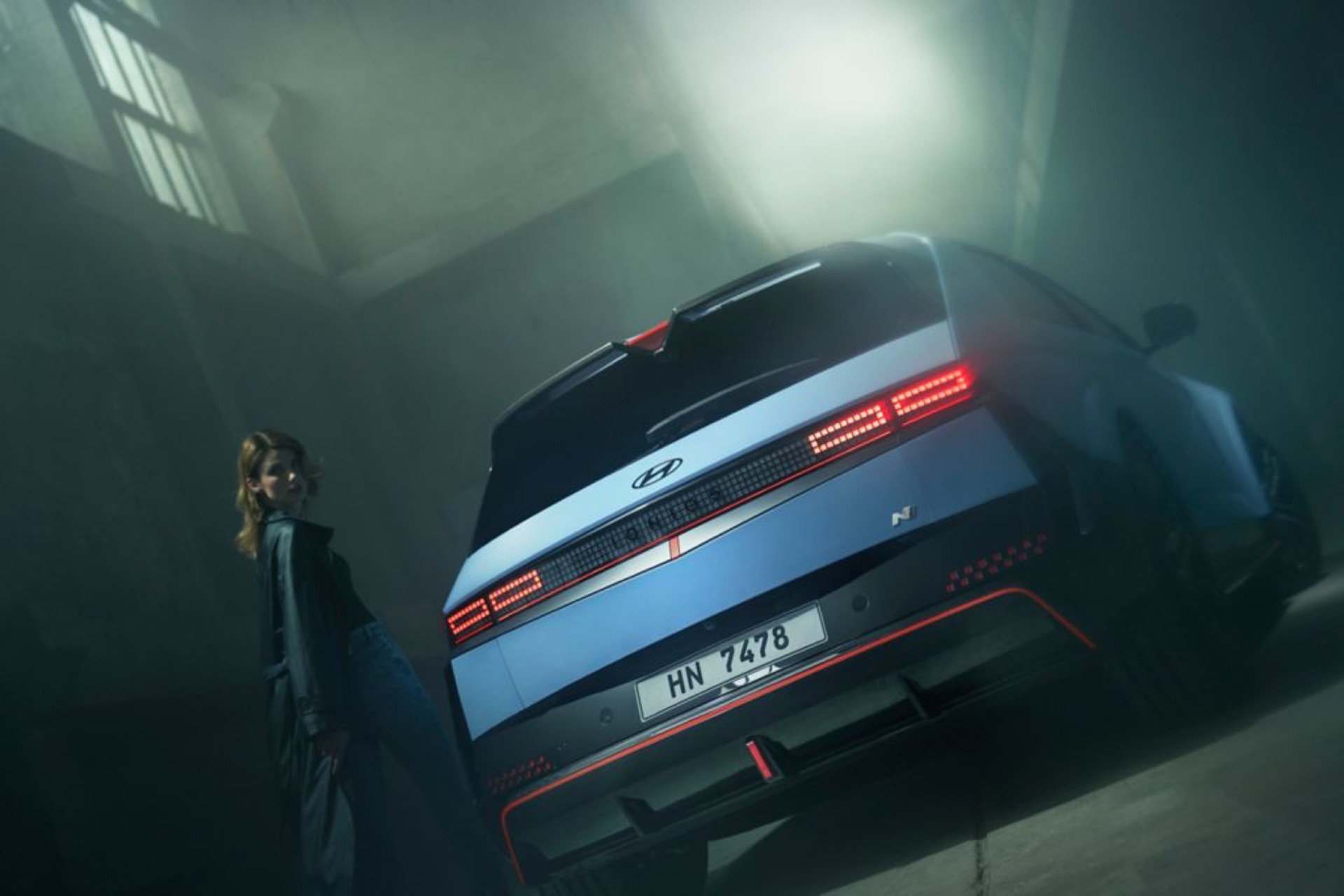
Hyundai aims to show that electric vehicles can offer not only efficiency and performance, but also the emotional connection that was traditionally associated with combustion engines.
The South Korean manufacturer continues to advance its strategy to ensure that its high-performance electric vehicles deliver a more exciting driving experience, closer to that of combustion engines. The company is currently developing an improved version of the virtual shifting system that debuted on the IONIQ 5 N, incorporating new elements in this implementation that simulate even more realistically the behavior of a vehicle with a combustion engine.
Sources close to Hyundai say that future electric models from Hyundai’s N series will include simulated idle noises, vibrations and even exhaust popping. The latter are inspired by the misfires that occur in high-performance combustion engines after a gear change. The main goal is to increase the emotional engagement behind the wheel, adjusting not only the sound but also the dynamic behavior of the vehicle to replicate the sensations of a car with a manual gearbox and a combustion engine.
Hyundai’s virtual shifting system, which debuted on the current IONIQ 5 N, simulates gear transitions and modifies both throttle response and the sound effects inside the cabin. With the new implementation, the South Korean manufacturer wants to go one step further.
Other manufacturers are also following this same path
Although no specific technical details have been disclosed, the company seeks to differentiate itself in a market where other manufacturers are also pursuing similar solutions. This is the case of Porsche, which will introduce its E-Shift system in the upcoming Taycan refresh, with simulated gear changes and engine sounds.
All these improvements that Hyundai will implement will be part of the new IMA platform, which will succeed the current E-GMP. The IMA platform will keep the 800-volt architecture and promises even shorter charging times, which will reinforce the appeal of the brand’s future high-performance electric cars. Although Hyundai has not confirmed specific dates, some estimates suggest that the next generation of the IONIQ 5, based on this platform, could reach the market around 2028.
 Peugeot E-208 GTi: a battery-powered toy that revives the spirit of the 1980s sports cars
 New Lexus ES: luxury grows and goes electric
 First contact with the Dacia Sandero Hybrid 155: power and efficiency from €19,890
Deja un comentario