Is the Detroit Auto Show doomed? Audi, like BMW and Mercedes, will not be there in 2019
 Guillermo Lopez
14 May 2018
3 min.
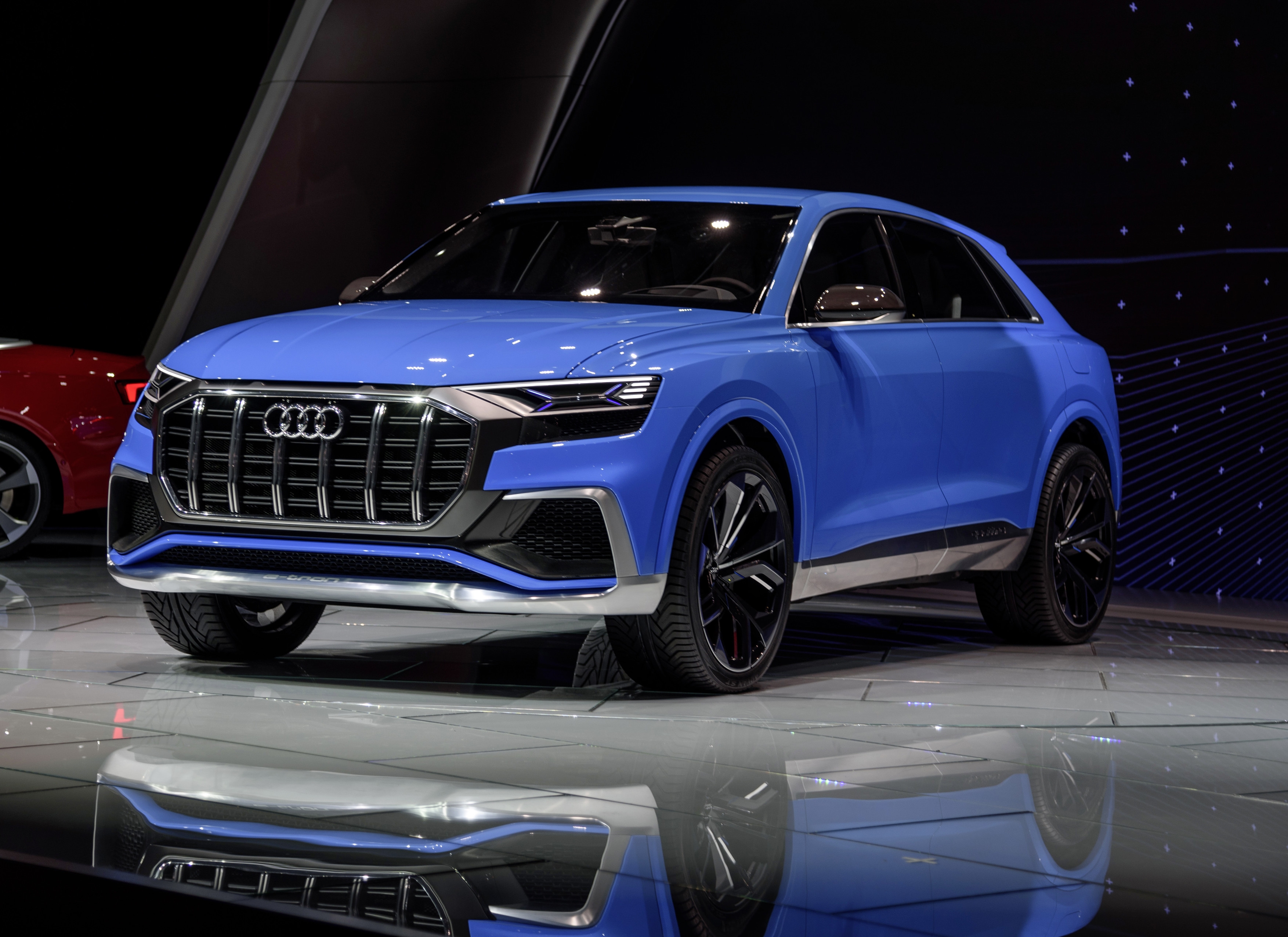
Audi has just announced that it will not attend the next edition of the Detroit Auto Show; one of the classic events on the calendar could be in jeopardy
The four-ring brand thus joins its two great rivals in the luxury segment, Mercedes and BMW, which months ago already announced they would not take part in the 2019 Detroit Auto Show.
According to the statement issued by the German manufacturer, “Audi has had a long and successful history at the North American International Auto Show in Detroit (NAIAS), where has presented countless models that Audi customers enjoy today. For 2019 we have decided that we will not participate in NAIAS. We will continue to consider our participation in motor shows on a case-by-case basis, in relation to the timing of our product launches and the value the event provides from the perspective of the media and the consumer.”
The absence of Audi at the 2019 Detroit Show does not mean that the German manufacturer will not attend the event in subsequent years, but the absence of the three major German brands from the show that has marked the start of the new-model season for the motor industry in North America for many years is nonetheless telling.
Motor shows as a mere showcase for a new season’s products are losing their appeal for manufacturers. The speed of communications means that many of the new models presented at them are already known to visitors before the doors of each show open to the public. Hence the vast majority of manufacturers are beginning to assess whether the heavy investment required to exhibit at a motor show is really worthwhile just to make their products known.
All manufacturers seem to agree on the need to have at least one major showcase per continent or major existing market. In Europe, it is Geneva; in the East, we no longer speak of Tokyo but of Beijing; and in the United States the new venue is Los Angeles, a more open and cosmopolitan city than Detroit, with a pleasanter and milder climate at the same time of year (January), and one the industry increasingly turns to given its proximity to Silicon Valley, the cradle of modern technology, rather than fleeing as it does in Detroit, where even the factories and headquarters of the three major American makers are leaving the area and have been for years.
Beyond the need for motor shows to reinvent their offering and give their events more attractive content for visitors and, above all, for the media, the adoption of such a measure by the three major players in the German car industry comes at a doubly difficult moment.
On the one hand, the heavy investment required to develop future electric models and the connectivity systems that will pave the way for autonomous driving limit manufacturers’ flexibility. On the other, the heavy penalties that, in particular, the German brands expect to face in the United States over the dieselgate scandal, together with the current economic and trade policy being pushed by President Trump, imposing tariffs that weigh especially on car production in the international context, could lead to this decision by the three majors being seen as a warning for the future.


 Peugeot E-208 GTi: a battery-powered toy that revives the spirit of the 1980s sports cars
 New Lexus ES: luxury grows and goes electric
 First contact with the Dacia Sandero Hybrid 155: power and efficiency from €19,890
Deja un comentario