The new Donkervoort P24 RS changes the engine and will offer intense experiences to 150 buyers
 Victor Alós Yus @sepelaci
26 January 2026
3 min.
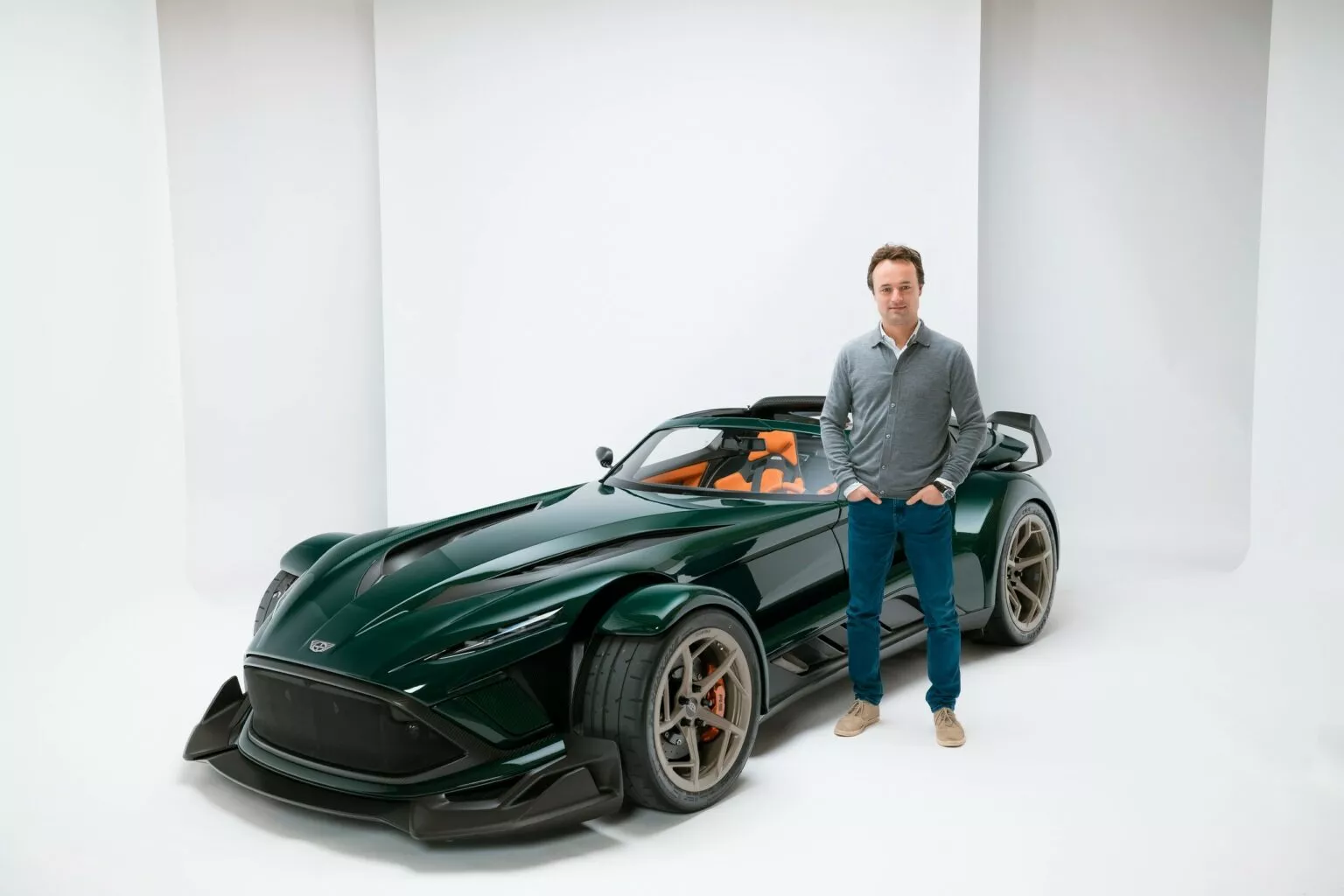
Donkervoort presents the new model, which aims to replace the F22 by offering a new engine, of Ford origin, and intense driving sensations behind the wheel.
Donkervoort is a company that builds very special cars, aimed at a very specific niche that wants a type of vehicle offering something more than a simple journey. Along these lines comes the Donkervoort P24 RS, the natural successor to the F22 and it brings new features that make it a car that will make the driver feel unique behind the wheel.
The main change we find in this model is in its engine. Traditionally, Donkervoort models have been powered by the five-cylinder 2.5-litre Audi engine. In this case, a 3.5-litre Ford EcoBoost V6 engine has been chosen. It is offered in three power levels: 400, 500 and 600 CV. In the latter case, a maximum torque of 800 Nm is recorded.
In the most powerful version of its predecessor, the Donkervoort F22, a power output of 500 CV was reached, so the increase in power is considerable. This engine uses dry-sump lubrication, variable valve timing and a combined direct and indirect fuel injection system. The intake system is made of carbon fibre and the exhaust manifolds have been manufactured using 3D printing. In this way, weight is reduced and strength is increased.
Galería de fotos -
DONKERVOORT P24 RS
The two turbochargers that boost the EcoBoost engine come from the Dutch company Van der Lee. A five-speed manual gearbox controls the power and transmits it to the rear wheels through a Torsen limited-slip differential. Furthermore, it should be noted that both power steering and ABS are options that do not come as standard with the car.
Light and spectacular
Donkervoort models are very lightweight and this one is no exception. It weighs 780 kg, which gives a power-to-weight ratio of 770 CV/t. It has been built with alloy tubes and carbon fibre components. It is an agile car, featuring Tractive active dampers on all four wheels. The ride height can be adjusted hydraulically with different stiffness levels. Braking is handled by AP Racing four-piston calipers and ventilated discs.
In the interior there are no major technological displays. There is only a three-spoke steering wheel and a small screen for the instrumentation. There is no sound system, so if you want to enjoy music you must opt for a smartphone or an iPad Mini, which are mounted on a holder with Bluetooth connectivity to the car’s speakers.
This model can now be purchased, although only 150 units will be built and of these, it is said that 50 have already been sold. The starting price is 298,000 euros, a fairly high price, but one that suits the tastes of buyers of these models.

 Peugeot E-208 GTi: a battery-powered toy that revives the spirit of the 1980s sports cars
 New Lexus ES: luxury grows and goes electric
 First contact with the Dacia Sandero Hybrid 155: power and efficiency from €19,890
Deja un comentario