The new Porsche 911 aims to eliminate aquaplaning with a new driving mode
 Victor Alós Yus @sepelaci
7 January 2019
2 min.
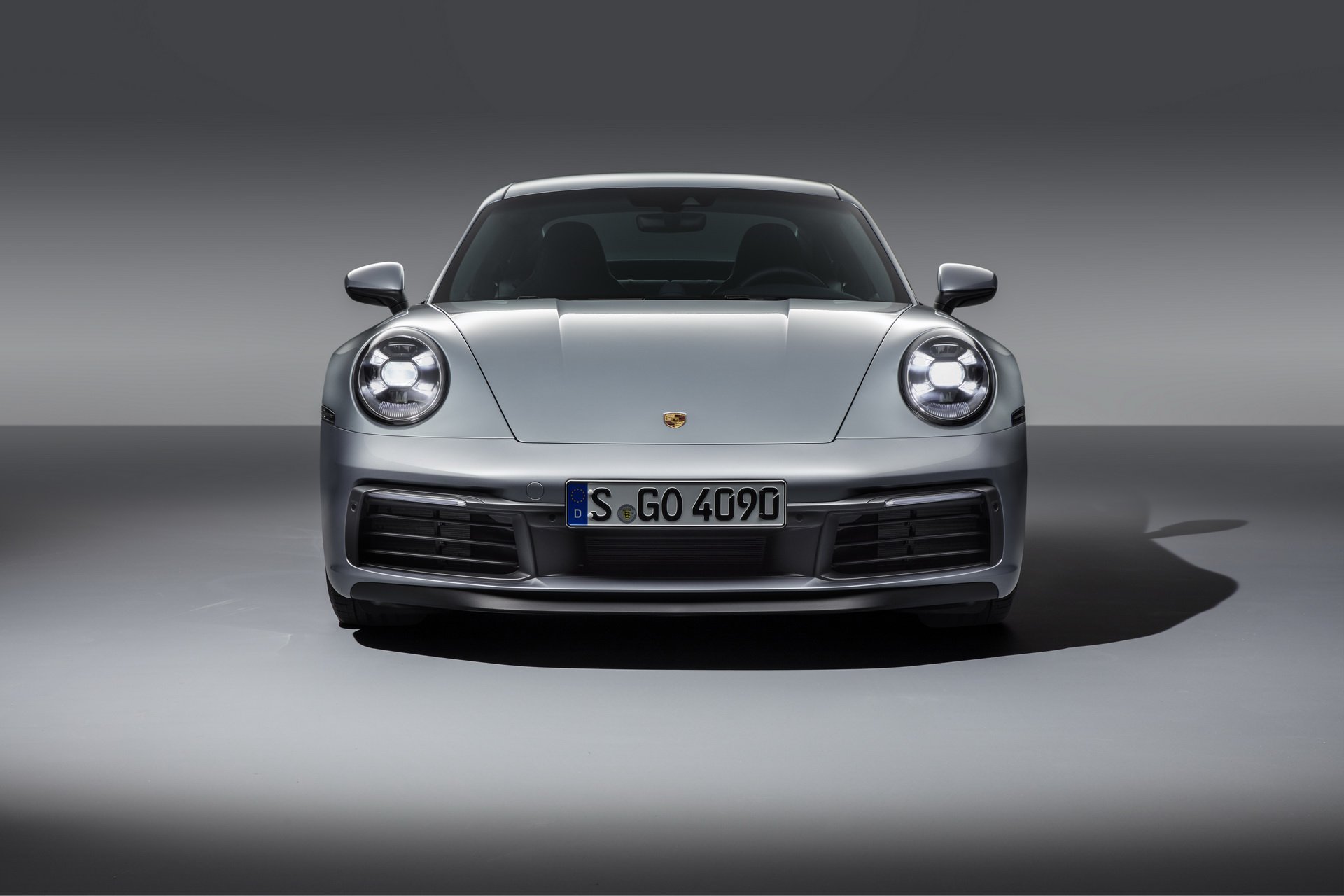
A new technology designed for the Porsche 911 helps this supercar model reduce the risk of aquaplaning and improve its stability on wet roads
Aquaplaning is one of the most significant problems drivers can encounter on rainy days. We have already seen in a previous article how to act if we find ourselves facing this problem, but avoiding the situation is always best. We have several recommendations, but until now everything depended on the condition of the tyres, the caution exercised when driving in the rain, and luck. Now, Porsche has designed a system to increase safety when driving on wet roads.
The anti-aquaplaning system designed by Porsche is fitted as standard equipment on the Porsche 911 and consists of several elements that help this supercar avoid the problem. In the case of the Porsche 911, its low weight and wheels can increase the risk of aquaplaning, so the engineers have worked to minimise that risk. The system is activated by the new “Wet” driving mode, which comes with the updated version of this classic car.
The wet-surface driving system works using data collected by sensors installed in the front wheel arches. Small microphones record the sound of water splashing against the inside of these wheel arches and, if it detects a certain volume of water, it alerts the driver to activate the driving system.
To reduce the risk of aquaplaning, the system increases power to the front wheels, which are smaller and gain more grip to get through the wet stretch. It also reduces engine torque and activates a series of flaps distributed across the bodywork to improve aerodynamics and keep the car firmly planted on the road.
In addition, the Porsche Stability Management and Porsche Traction Management systems scale back their intervention to avoid risk while driving. This system allows the Porsche 911 to efficiently avoid the aquaplaning problem, although it does not eliminate it entirely. In the 1990s a similar technology already existed at Porsche, but it was not used in any model at the time. Today, it makes the Porsche 911 even safer and, although it cannot be enabled on every car, it could be a starting point for developing similar solutions for other brands.
Technical specifications of this car


 Kia offers an electric range of 10 models, 50 versions and 400 possible combinations
 The seven finalists for the 2027 European Car of the Year (COTY) are exclusively electric
 Peugeot E-208 GTi: a battery-powered toy that revives the spirit of the 1980s sports cars
Deja un comentario