Audi e-3008 e-tron Enyaq EV6 EX40 Hyundai IONIQ Ioniq 5 KIA Model Y Peugeot Q4 Q4 e-tron Renault Scénic Skoda Tesla Volvo Electric Cars Buying Guides Rankings SUV
2026 ranking: the 6 electric SUVs with the best real-world range under €50,000
 Iván Navarro
27 October 2026
6 min.
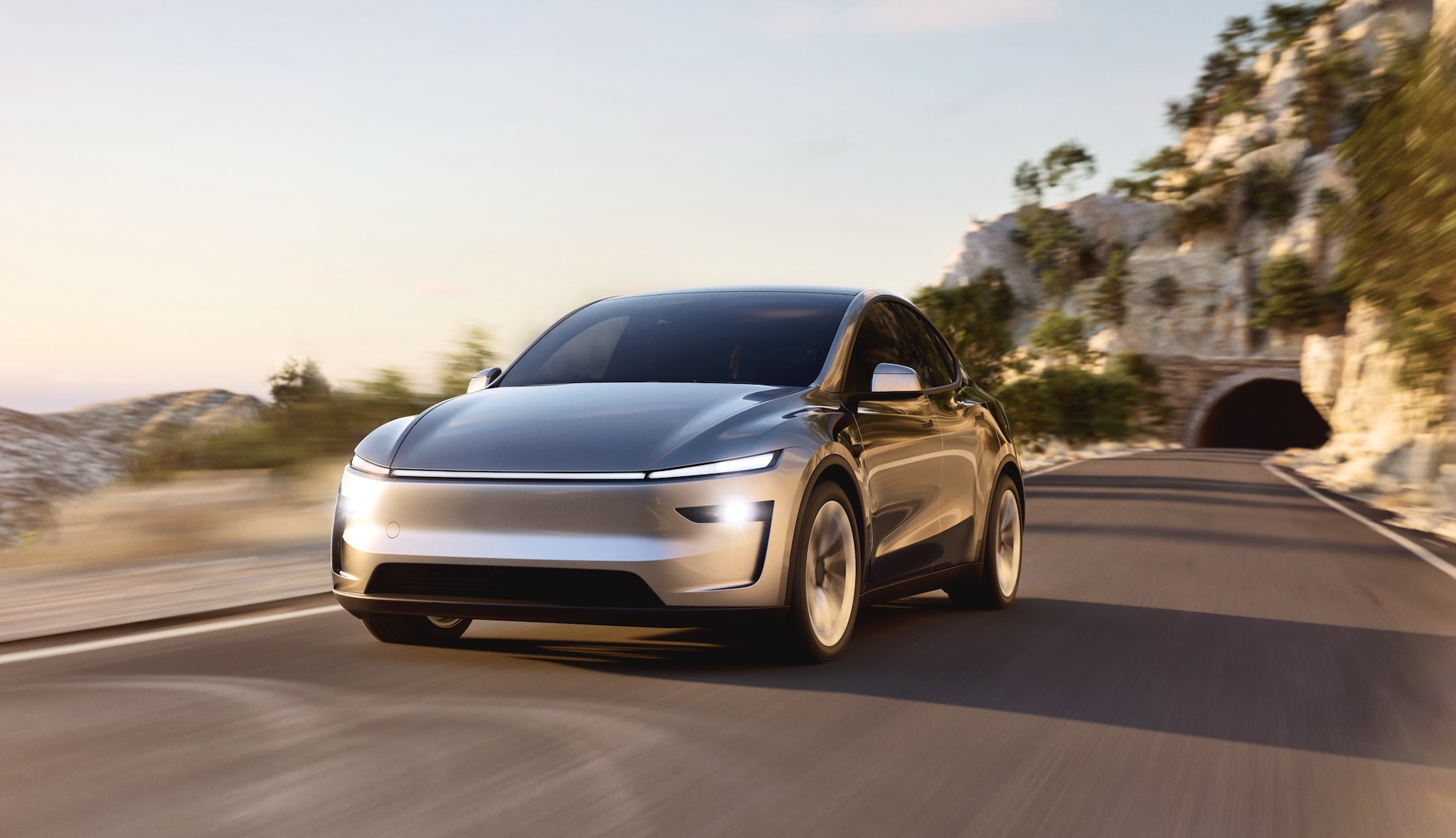
We analyse the real-world range —not the WLTP brochure figure— of six electric SUVs that can be bought in Spain today for less than €50,000. Tesla, Kia, Hyundai, Skoda, Peugeot and Renault, put to the test on paper and in mixed conditions.
There is a gap between what a WLTP technical sheet promises and what the odometer shows on a January Saturday with the heating at full blast and 120 km/h on the motorway. Sometimes that gap is 10%. Other times, 25%. And that is where this ranking aims to be genuinely useful.
We have cross-referenced usable battery capacity, average consumption in mixed conditions (city, road and motorway, with moderate climate) and final price after brand discounts and the Plan Auto+, to settle on six electric SUVs that today, in Spain, come in below €50,000 and genuinely handle a long journey without stopping every 250 km to beg for a charger.
What “real-world range” means and why we don’t trust the WLTP figure
The WLTP cycle measures under laboratory conditions that almost nobody reproduces in everyday life. Moderate speeds, ideal temperature, no headwind and no cold weather penalising the battery chemistry. In practice, an electric SUV homologated for 500 km can drop to 380 or 400 km on a real motorway route with the air conditioning running. That is why at Highmotor we prefer to talk about consumption in kWh/100 km under mixed use, and derive from there the range a driver can expect without unpleasant surprises.
Methodology: how we built this ranking
We took the usable battery capacity —not the gross figure, which is always larger and causes confusion— and divided it by the average consumption observed in press tests and owner data under mixed Spanish conditions: city, secondary roads and motorway at the legal speed. We also filtered by final retail price below €50,000, already with dealer discounts applied and, where applicable, the Plan Auto+ aid deducted from the final amount. For the exact details of the current amounts, it is always best to check the official plan website, as the conditions change with each call. We carried out a similar exercise in our ranking of electric SUVs with the best range-to-price ratio below €45,000, and here we raise the price ceiling to open the door to slightly larger batteries.
1. Peugeot E-3008 — from €48,900
The E-3008 with the largest-capacity battery homologated under this price ceiling is, in our view, the surprise of the group. Its carefully designed aerodynamics and restrained consumption for the size of the car allow it to stretch real-world range further than almost everything else in this bracket.
| Power (kW) | Power (CV) | Real-world range | Consumption | Emissions label | Fuel |
|---|---|---|---|---|---|
| 157 | 213 | 450 km | 17.2 kWh/100 km | Electric |
2. Skoda Enyaq 85 — from €47,200
The Enyaq 85 combines its large-capacity battery with notable efficiency. It is not the fastest or the sportiest —nor does it aim to be— but it is one of the ones that best handles a Madrid–Valencia journey without recalculating the route. If you are looking for a slightly more premium finish in a similar format, it is worth taking a look at our comparison between the Volvo EX40 and the Audi Q4 e-tron, although both are around or above the price limit we set here.
| Power (kW) | Power (CV) | Real-world range | Consumption | Emissions label | Fuel |
|---|---|---|---|---|---|
| 210 | 286 | 420 km | 18.3 kWh/100 km | Electric |
3. Tesla Model Y RWD — from €45,900
The Model Y in its rear-wheel-drive variant remains a benchmark for pure efficiency. It does not have the largest battery in the group, but its thermal management and aerodynamics more than make up for it. It is probably the one that best converts each kWh into real kilometres.
| Power (kW) | Power (CV) | Real-world range | Consumption | Emissions label | Fuel |
|---|---|---|---|---|---|
| 220 | 299 | 400 km | 15.4 kWh/100 km | Electric |
4. Kia EV6 — from €46,500
The EV6, in its entry rear-wheel-drive version, gives up little. It keeps that 800V architecture that allows genuinely fast charging, which in real-world range translates into shorter stops even though the battery is not the largest.
| Power (kW) | Power (CV) | Real-world range | Consumption | Emissions label | Fuel |
|---|---|---|---|---|---|
| 125 | 170 | 395 km | 16.1 kWh/100 km | Electric |
5. Hyundai Ioniq 5 — from €44,950
It shares a platform with the EV6 and much of its mechanical logic, but with a somewhat different comfort character. In real-world range it sits one step below its Korean cousin, although the difference in everyday use is barely noticeable.
| Power (kW) | Power (CV) | Real-world range | Consumption | Emissions label | Fuel |
|---|---|---|---|---|---|
| 125 | 170 | 380 km | 16.8 kWh/100 km | Electric |
6. Renault Scenic E-Tech — from €42,900
It is the most affordable in the group and, with the 60 kWh battery, the one that falls shortest in real-world range. That does not stop it being a thoroughly balanced SUV for urban use and short getaways, with an interior that, to my taste, remains among the most carefully finished in the segment.
| Power (kW) | Power (CV) | Real-world range | Consumption | Emissions label | Fuel |
|---|---|---|---|---|---|
| 125 | 170 | 340 km | 16.9 kWh/100 km | Electric |
Comparison table: the full ranking
| Model | Price from | Real-world range | Consumption | Score |
|---|---|---|---|---|
| Peugeot E-3008 | €48,900 | 450 km | 17.2 kWh/100 km | 9.2 |
| Skoda Enyaq 85 | €47,200 | 420 km | 18.3 kWh/100 km | 8.8 |
| Tesla Model Y RWD | €45,900 | 400 km | 15.4 kWh/100 km | 8.9 |
| Kia EV6 | €46,500 | 395 km | 16.1 kWh/100 km | 8.5 |
| Hyundai Ioniq 5 | €44,950 | 380 km | 16.8 kWh/100 km | 8.2 |
| Renault Scenic E-Tech | €42,900 | 340 km | 16.9 kWh/100 km | 7.8 |
The Peugeot E-3008 takes first place on gross range, but the Tesla Model Y RWD is, on paper, the most efficient kWh for kWh. And there lies the trap of any ranking of this kind: range and efficiency do not always coincide in the same car. It remains to be seen whether the next update of denser LFP batteries changes this order in 2027, but with what is available today at Spanish dealerships, this is the real picture.
Frequently asked questions
Which electric SUV has the best real-world range for less than €50,000 in Spain?
Based on current data, the Peugeot E-3008 in its large-battery version offers the highest real-world range in the group, around 450 km in mixed conditions, below the €50,000 threshold after discounts.
Are WLTP range and real-world range very different?
Yes, there is usually a difference of between 10% and 25% depending on the model, the climate and the type of journey. High-speed motorway driving and cold weather are the factors that penalise range the most.
Can the Plan Auto+ be applied to these six models?
In general yes, provided they meet the current price and buyer-type requirements. The amounts and conditions change with each call, so it is advisable to check the official website before closing the purchase.
Is it worth paying more for a larger battery if I rarely make long trips?
Not always. If your use is mostly urban, an SUV such as the Renault Scenic E-Tech with a 60 kWh battery may be more than sufficient, and the initial saving is noticeable. A large battery is only justified if long journeys are habitual, not an exception.
Technical specifications of the cars in this article
 Peugeot E-208 GTi: a battery-powered toy that revives the spirit of the 1980s sports cars
 New Lexus ES: luxury grows and goes electric
 First contact with the Dacia Sandero Hybrid 155: power and efficiency from €19,890
Deja un comentario