Chinese manufacturer FAW plans to use solid-state batteries in vehicles of its Hongqi brand starting in 2027
 Javier Cantagalli
19 December 2025
2 min.
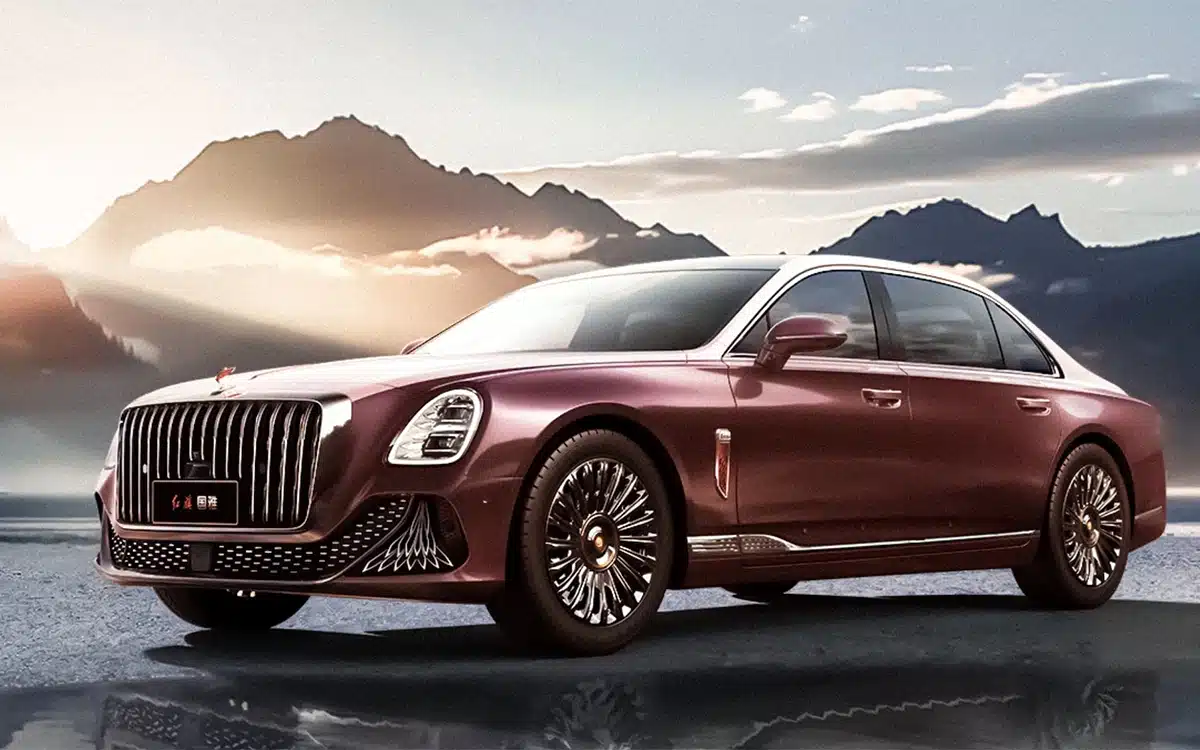
The market launch of the first electric vehicles with solid-state batteries is getting closer, and it is no longer an eternal promise. This is a technology that promises higher energy density, much faster charging and a superior level of safety compared with the conventional batteries currently in use.
In this regard, a recent report from China claims that electric vehicles from the Hongqi brand, part of the state-owned group FAW and famous for its official limousines, will most likely begin to adopt this type of battery before the end of 2027. For the time being, it has not yet been revealed which supplier will provide the solid-state cells, but Hongqi has a significant advantage thanks to FAW’s participation in an industrial consortium created last year.
This consortium, driven by the Chinese government and endowed with an investment of six billion yuan -around 730 million euros-, seeks to accelerate the development of solid-state batteries, and its founding members include state manufacturers such as FAW and SAIC, along with the Chinese automotive giants Geely and BYD, as well as cell suppliers such as CATL and WeLion.
Target: 1000 Wh/kg
As we told you here at HighMotor in a recent article, WeLion has dominated headlines in specialized media in recent days after achieving, in the laboratory, an energy density of 824 Wh/kg in its solid-state batteries. An impressive advance, although it is still just that, a laboratory test, and it will take time to reach the market as a final product.
The first electric vehicles we will see reaching the market with solid-state batteries will, however, use cells with a much lower energy density. Today, experts consider that in the first generation of this type of battery we should not expect values above 300 or 400 Wh per kilogram. That is far from the results achieved in the laboratory by WeLion, but clearly above what conventional batteries offer today; even more so if we talk about the increasingly popular LFP cells, whose energy density usually hovers around 150 to 180 Wh per kilogram.

 Kia offers an electric range of 10 models, 50 versions and 400 possible combinations
 The seven finalists for the 2027 European Car of the Year (COTY) are exclusively electric
 Peugeot E-208 GTi: a battery-powered toy that revives the spirit of the 1980s sports cars
Deja un comentario