Tesla offsets the drop in sales in the Chinese market by increasing exports from the Shanghai Gigafactory
 Javier Cantagalli
16 February 2026
2 min.
The disruptive shift in the distribution between local sales and exports now raises the question of whether this is a temporary fluctuation more pronounced than usual or, on the contrary, the beginning of a structural trend.
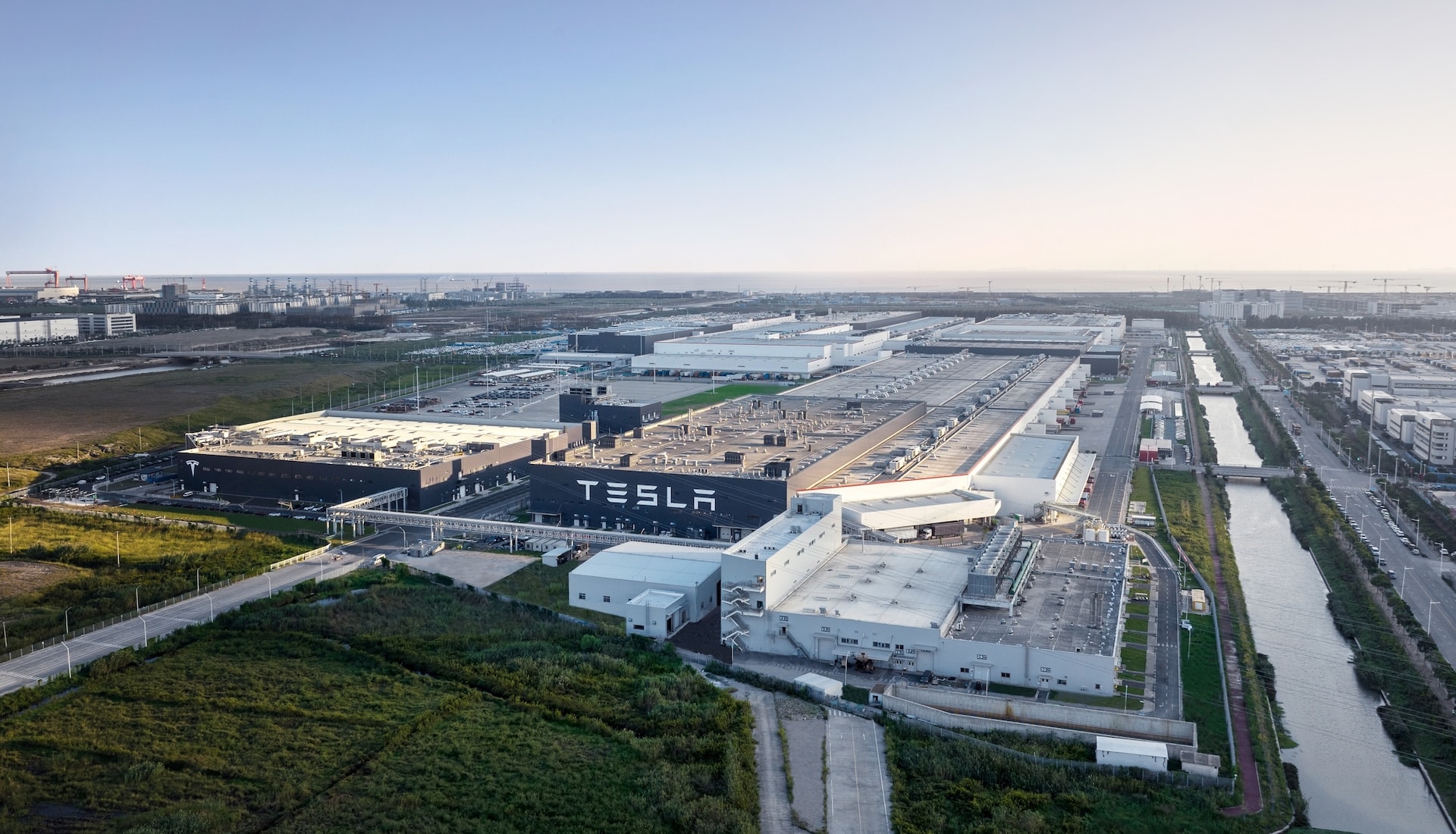
Tesla recorded a considerable drop in retail sales of electric vehicles in China last January, which did not, however, affect production levels at the Shanghai Gigafactory, as exports from the plant saw a sharp rebound.
According to data from the China Passenger Car Association (CPCA), retail sales of Tesla in China fell considerably to 18,485 units in January, the lowest figure since November 2022. This represents a 45 percent drop compared with the same month last year, when sales reached 33,703 units.
Likewise, exports from the Shanghai Gigafactory reached 50,644 units, the second-best historical figure, surpassed only in October 2022, when exported vehicles totaled 54,504 units. The export figure for last January therefore represents a 71 percent increase over the same month of the previous year, and is a clear example of the company’s strategic shift for its Shanghai plant, now more focused on producing vehicles for foreign markets.
A turning point at the Shanghai Gigafactory
The ratio between local sales and exports has thus reached an unprecedented level in recent years, with more than 73 percent of production destined for overseas markets, something not seen until now, except during the worst months of the pandemic. The Shanghai Gigafactory produces both the Model 3 and the Model Y, in roughly equal proportions. Last January, 38,916 units of the Model Y and 30,213 units of the Model 3 rolled off the assembly line at the plant.
The drop in electric vehicle sales in the Chinese market is not, however, a problem exclusive to Tesla. The new energy vehicle (NEV) sector in China, which also includes plug-in hybrids and range-extended electric vehicles, experienced a notable 20 percent drop in sales last January, as a result of adjustments to the subsidy policies granted by the country’s government at the start of the new year.
As a consequence of this situation, and just as has happened with Tesla, NEV exports from all Chinese manufacturers doubled, reaching around 300,000 units. With its 50,644 vehicles shipped abroad, Tesla therefore accounted for approximately one-sixth of these exports during last January.


 Kia offers an electric range of 10 models, 50 versions and 400 possible combinations
 The seven finalists for the 2027 European Car of the Year (COTY) are exclusively electric
 Peugeot E-208 GTi: a battery-powered toy that revives the spirit of the 1980s sports cars
Deja un comentario