Model S Model X Tesla Electric Cars
The Tesla Model S and Model X are already part of history
 Javier Cantagalli
6 April 2026
3 min.
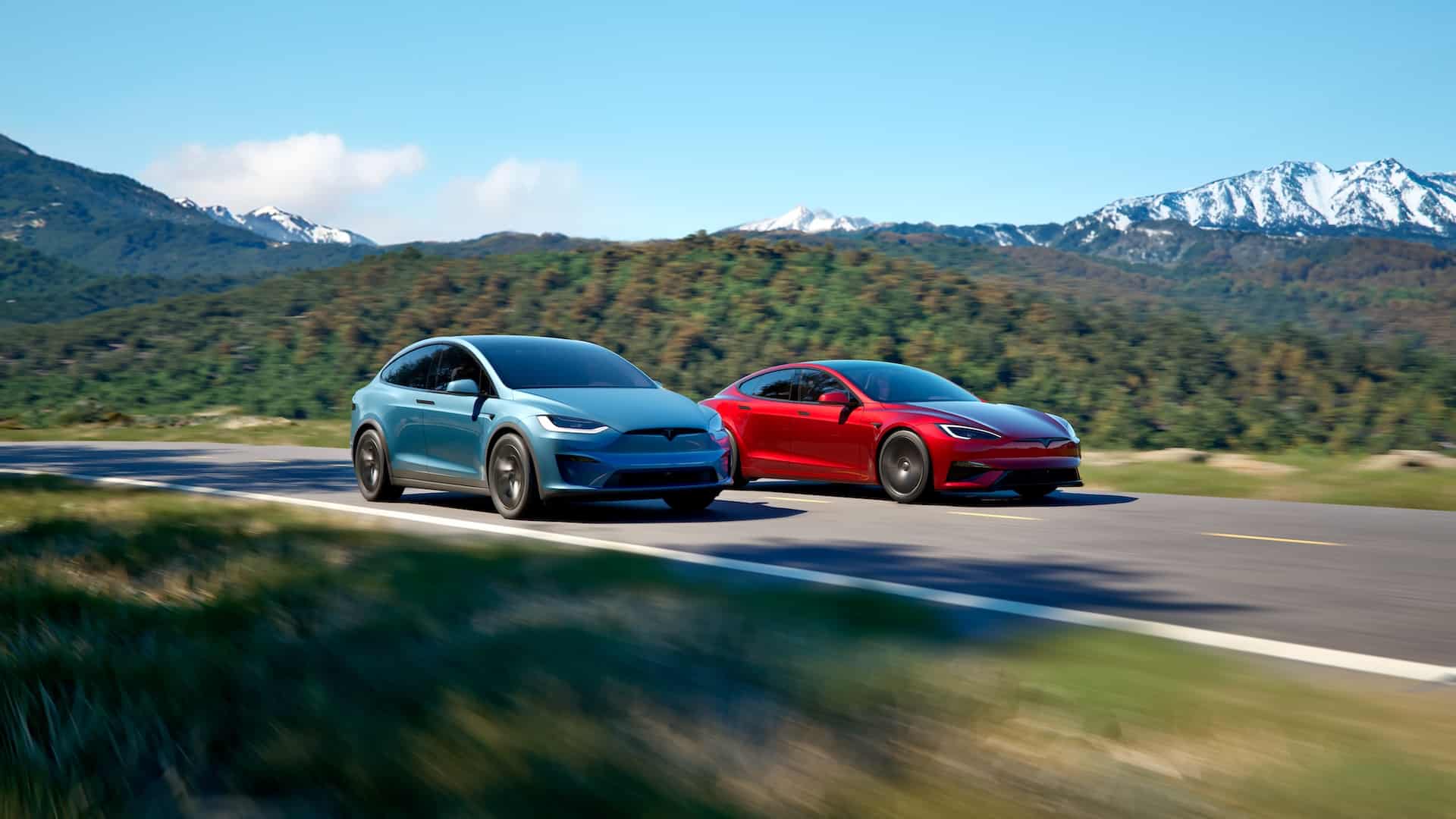
Access requests on the Tesla website to place an order for a Model S or Model X are now redirected to a page listing inventory units.
After more than a decade in production, Elon Musk announced at the end of last January, during the earnings conference for the last quarter of 2025, that the company he leads would end production of its two premium models, the Model S and the Model X, during the second quarter of the year.
With the start of April, that announcement has finally become a reality: custom orders for both models have been permanently closed, and over the coming weeks only the inventory units already in stock will be available, until stock runs out.
In the United States and in other markets, including Spain, the Tesla website redirects directly to the inventory page if you try to access the configurator for the Model S or Model X to place an order. The company currently has quite a few inventory units. In some markets, such as the United States, Tesla is offering these inventory units with unlimited recharging at the company’s Supercharger network and lifetime Premium connectivity. In Spain, however, this does not seem to be the case, at least for now.
Without the Model S and Model X, Tesla would not have reached the position it occupies today in the automotive sector.
The Model S arrived on the market in 2012, becoming at the time the world’s first all-electric luxury vehicle. From the outset it offered considerable range, reduced charging times, a high level of passenger comfort and outstanding performance. All of this at a fairly competitive price compared with other vehicles in the same category with combustion engines.
The Model X arrived somewhat later, in 2015, and made an impression with its iconic falcon-wing rear doors. This luxury SUV from Tesla also offered a notable interior space, which attracted the attention of many large families. The Model S and Model X shared the same platform and for many years represented the luxury option par excellence in the world of electric vehicles.
With the arrival of the Model 3 in 2017 and, several years later, in 2020, of the Model Y, the Model S and Model X began to lose relevance, since it was no longer necessary to spend money on a premium vehicle to enjoy the virtues of an electric car from the brand. Both the Model 3 and Model Y began to gain weight in the company’s sales volume, ultimately leaving the Model S and Model X as two practically niche models within Tesla’s lineup.
The American company ultimately relegated the Model S and Model X to the “Other Models” category in its financial reports. A category that aggregates the sales volume of both models, and to which the Cybertruck has also been added in recent years.
Last year, Tesla delivered 1.6 million units of the Model 3 and Model Y worldwide, while the “Other Models” category barely reached 50,850 units. That is why, as Elon Musk himself announced, the time has finally come to give the Model S and Model X an honorable retirement. A decision that will allow Tesla to focus on other projects with greater potential for the future, such as autonomous driving and robotics.


 Peugeot E-208 GTi: a battery-powered toy that revives the spirit of the 1980s sports cars
 New Lexus ES: luxury grows and goes electric
 First contact with the Dacia Sandero Hybrid 155: power and efficiency from €19,890
Deja un comentario