A Japanese oil company is collaborating with Toyota to develop solid-state batteries
 Victor Alós Yus @sepelaci
6 February 2026
2 min.
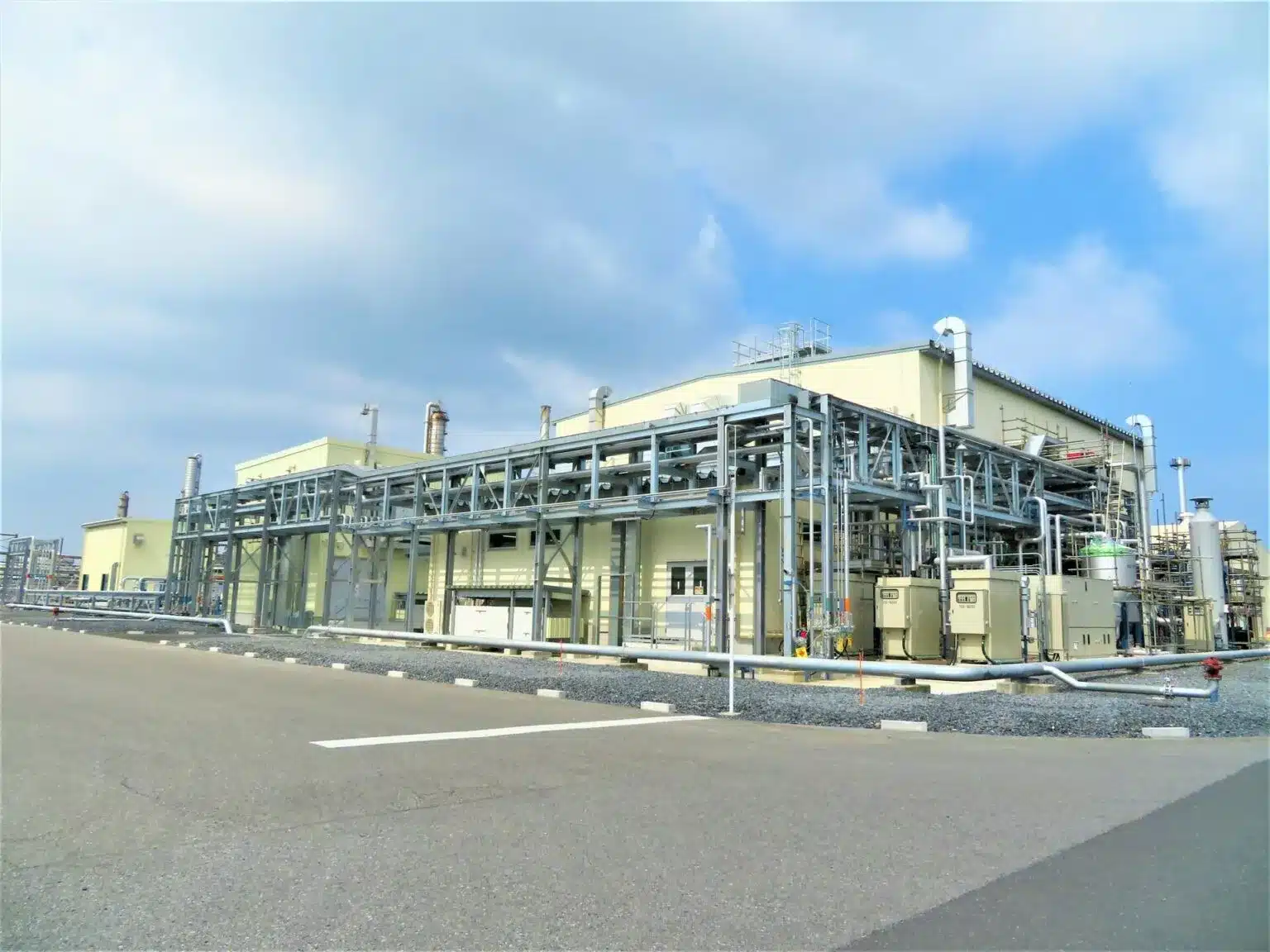
The Japanese manufacturer is working on developing solid-state batteries and, to do so, it has several partner companies that contribute materials.
Finding a solution to achieve a battery that offers a long range and allows shorter charging times is one of the major challenges facing the automotive industry. In Japan, Toyota is one of the companies most committed to solid-state batteries, which precisely enable a range of more than 1,000 kilometres and low charging times, thanks to a storage capacity that makes this possible.
But Toyota is not alone in this process of manufacturing solid-state batteries. Alongside the carmaker, other companies are lending their expertise and infrastructure to make them possible. One of those partner companies is the oil company Idemitsu Kosan. It has already been collaborating with Toyota in this area for some time, and it has just announced the creation of a production plant for electrolytes for solid-state batteries.
This high-technology material is going to be used in the batteries produced by Toyota, and two small-scale test facilities are already in operation, where the team has been working on developing the new electrolytes that will be used in these batteries. The new plant will be ready to start production at the end of 2027.
Once the project is up and running, it will be possible to manufacture several tonnes of these solid electrolytes each year, enough to supply the production needs of solid-state batteries from Toyota. Alongside the oil company, Toyota is collaborating with other companies in the sector. The mining company Sumitomo Metal Mining is also part of the project, supplying the consortium with high-performance cathode materials.
1,000 kilometres of range in 2028
According to Toyota’s plans, the first solid-state batteries are expected to be ready by 2027. These should offer a total range of 1,000 kilometres, and charging from 10% to 80% would take 10 minutes. Although this first generation has not yet entered production, work is already under way on a second one. This would increase the range to 1,200 kilometres. Charging time could also be reduced, although times already being discussed are quite practical.
Toyota is not the only company betting on this technology. Not long ago, Mercedes managed to travel 1,200 kilometres on a single charge of a solid-state battery. For its part, the new MG 4 has used a semi-solid-state battery, which uses only 5% liquid electrolyte. This technology has yet to arrive, but it could be a major catalyst for the electric mobility industry.


 Peugeot E-208 GTi: a battery-powered toy that revives the spirit of the 1980s sports cars
 New Lexus ES: luxury grows and goes electric
 First contact with the Dacia Sandero Hybrid 155: power and efficiency from €19,890
Deja un comentario