BYD reorganises its production plans in Europe and looks to Spain
 Javier Cantagalli
11 June 2026
2 min.
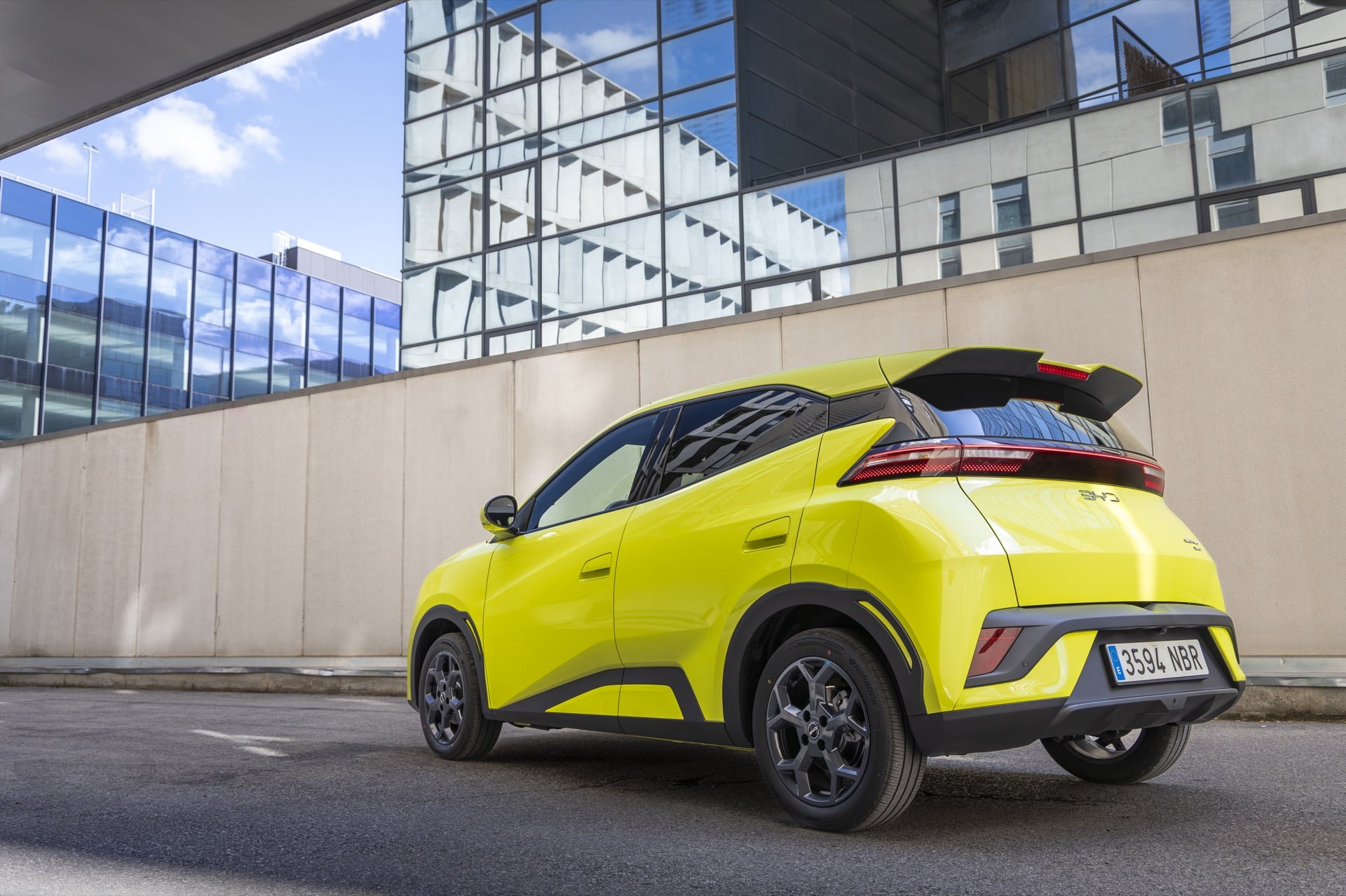
BYD seeks to consolidate its industrial presence in Europe in a flexible way, adapted to local regulations, keeping Hungary as a key location while exploring new options in the south of the continent.
BYD has just made public new details about its production plans on the European continent. The Chinese company has confirmed that the project to build a new passenger car assembly plant in the Turkish town of Manisa is currently on hold. As an alternative, BYD now appears to be exploring the possibility of acquiring an existing plant from another manufacturer in southern Europe.
Localising production in the Old Continent remains a strategic priority for BYD. Since 2017, the Chinese company has been assembling electric buses in Komárom (Hungary) and also has battery plants in the same country.
As far as passenger vehicles are concerned, production of the compact Dolphin Surf was originally expected to begin at the end of 2025 at the new plant in Szeged, also in Hungary. However, although production trials began in February 2026, the company is not yet ready to assemble vehicles at full capacity. Everything suggests that the start of series production has been pushed back to the fourth quarter of 2026, as the company is still installing equipment at this plant.
Spain in the spotlight
With the Turkish project on hold, BYD is now focusing on finding a new facility in southern Europe, preferably within the European Union. Spain is one of the countries that has aroused the most interest in the company.
Although BYD has not given a detailed explanation of the reasons that led it to put the Turkish project on hold, this decision appears to be related to the upcoming European “Made in EU” rules, which will require a high percentage of local added value for vehicles to qualify for public subsidies or public administration contracts. It would not therefore be about avoiding the additional tariffs the EU imposes on Chinese vehicles, since Turkey maintains a customs union with the European bloc.

 Peugeot E-208 GTi: a battery-powered toy that revives the spirit of the 1980s sports cars
 New Lexus ES: luxury grows and goes electric
 First contact with the Dacia Sandero Hybrid 155: power and efficiency from €19,890
Deja un comentario