Hyundai Electric Cars Hybrid Cars
Hyundai sets its commercial strategy through 2030 with two fundamental pillars: hybrids and EREVs
 Javier Cantagalli
22 September 2025
3 min.
The South Korean company will maintain its broad offering of pure electric models while also making room for other alternative propulsion systems.
Hyundai Motor Company has unveiled its long-term strategy during a recent investor event, betting on sustained growth in sales of its increasingly electrified vehicles. By 2030, the group aims to sell 5.55 million vehicles worldwide, of which 60 percent will incorporate technologies with some degree of electrification.
This roadmap includes a greater presence of hybrids, the introduction of its first extended-range electric vehicles (EREVs), and an offering of its pure electric models adapted to the conditions of each market.
Electrified vehicles will account for a growing share of the group’s total sales, with the goal of reaching 3.3 million units sold per year by 2030. This will include more than 18 hybrid models and a full range of battery electric vehicles tailored to the particularities of each market. Starting in 2027, extended-range electric models, also known as EREVs, will begin to appear in the lineups of the group’s various brands, capable of offering up to 1,000 kilometers of range.
Europe is set to receive the new IONIQ 3
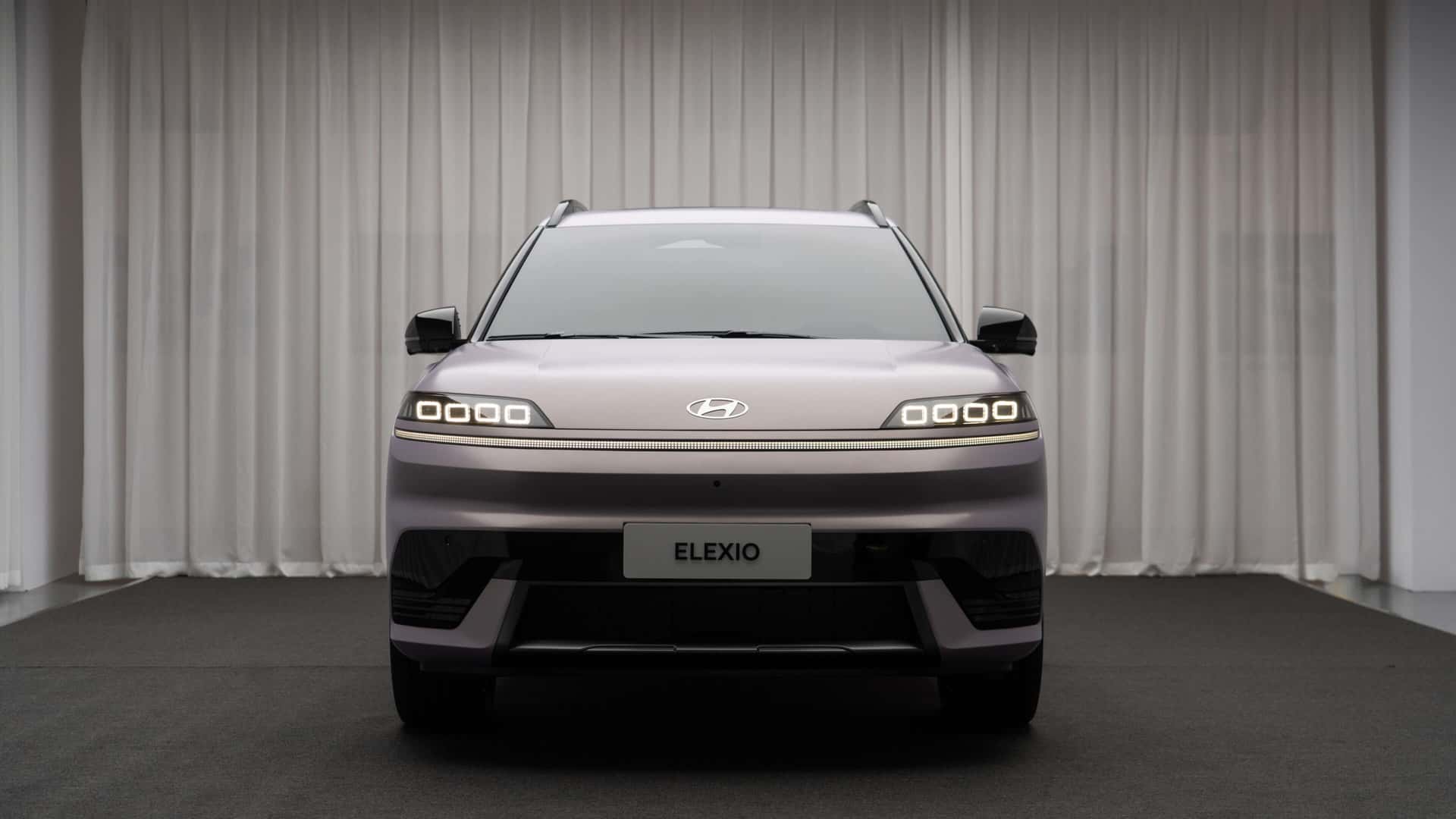
In the pure electric segment, Europe will be one of the group’s main markets. The IONIQ 3 will arrive on the continent as an affordable model for the general public. Meanwhile, in China, the Elexio SUV will be joined by a new electric saloon following the same design line, expanding the current range made up of the IONIQ 5, IONIQ 6 and the upcoming IONIQ 9.
Hybrids will gain ground, with more than 18 models in total, and the premium brand Genesis will begin integrating this technology starting this coming year. In addition, the N performance division will grow to more than seven models, with the aim of surpassing 100,000 annual sales.
To make all of this possible, Hyundai will invest in production capacity. The Metaplant America plant in Georgia, inaugurated in March, will increase its annual production capacity to 500,000 vehicles by 2028, with an injection of 2.7 billion dollars that will create 3,000 jobs. The goal is to manufacture more than 80 percent of the vehicles sold in the United States locally, thereby avoiding import tariffs.
Hyundai is strengthening its position worldwide
On a global scale, production capacity will increase by 1.2 million units: 250,000 in Pune (India), another 200,000 at a new electric model plant in Ulsan (South Korea), and a further 250,000 in Saudi Arabia, Vietnam and North Africa. The new Hyundai plant in Saudi Arabia, expected to be operational in 2026, will offer an additional capacity of 50,000 vehicles. This plant will stand out for its high level of automation.
Finally, regarding the batteries essential to advancing electrification, Hyundai aims to cut production costs by 30 percent, while simultaneously increasing cell energy density by 15 percent and making charging 15 percent faster. Hyundai will also continue working on the development of next-generation hydrogen fuel cells for commercial vehicles.


 Peugeot E-208 GTi: a battery-powered toy that revives the spirit of the 1980s sports cars
 New Lexus ES: luxury grows and goes electric
 First contact with the Dacia Sandero Hybrid 155: power and efficiency from €19,890
Deja un comentario