B10 BYD HAN Leapmotor Electric Cars Comparisons Tests SUV
LYNK & CO 02 vs Leapmotor B10: duel between premium Chinese electric compact SUVs under €40,000
 Iván Navarro
1 October 2026
6 min.
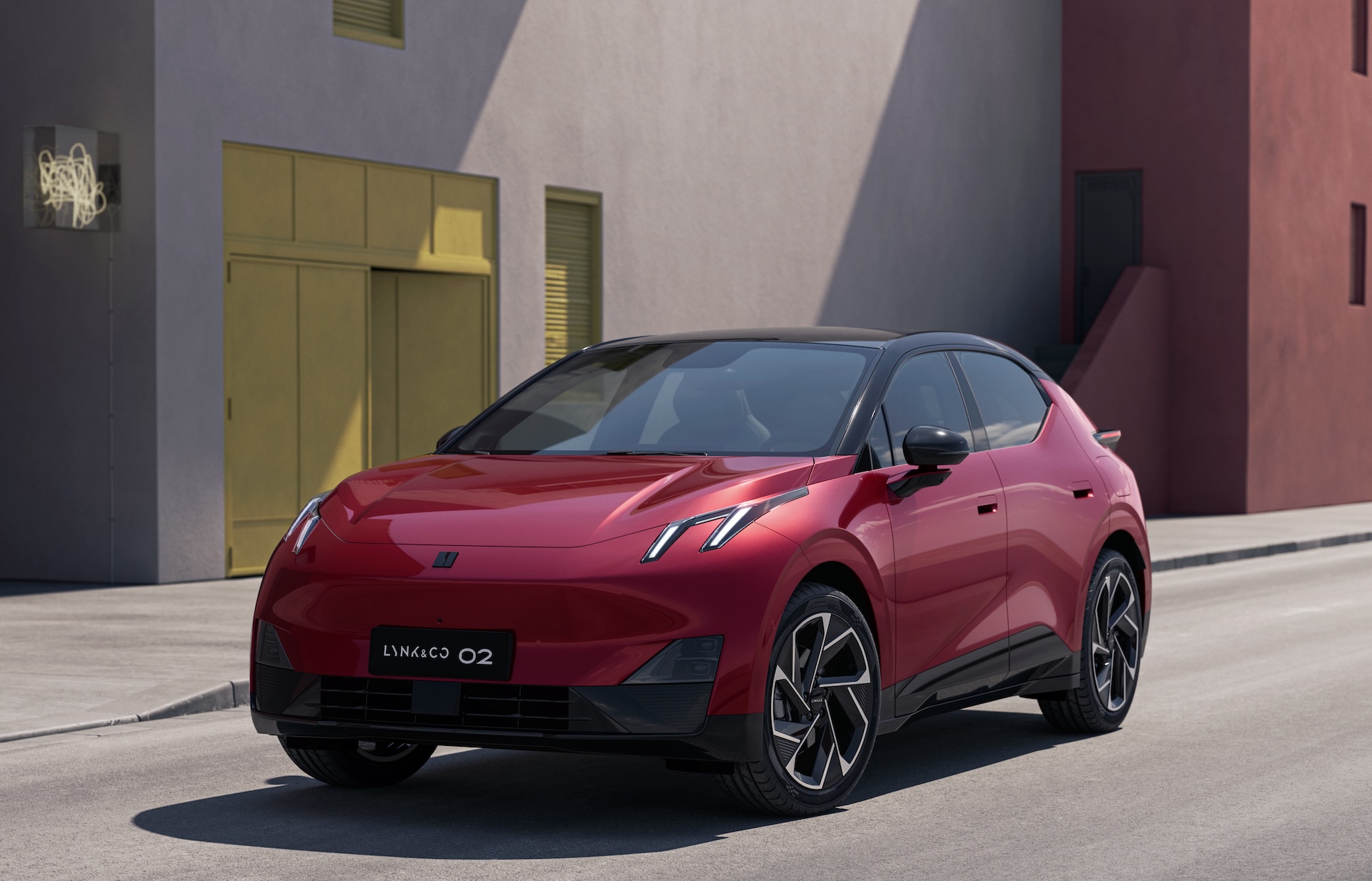
We compare the LYNK & CO 02 and the Leapmotor B10, two Chinese electric compact SUVs that go head to head in Spain under €40,000 with opposing approaches. Range, power, equipment and price on the table to determine which one offers more value.
The Chinese electric compact SUV has stopped being a promise and has firmly settled into Spanish dealerships. Two names dominate much of the conversation in the segment running from €29,000 to €40,000: the LYNK & CO 02, which bets on real power and range, and the Leapmotor B10, which arrives with a price that is hard to ignore. Two philosophies, one same segment.
From the initial list of candidates we have ruled out the BYD. In our view, although it still has products in its range, its proposal no longer draws the segment’s editorial attention the way the newer Chinese brands redefining the premium electric compact SUV in Spain do. This piece focuses on the two models that, in our opinion, best embody the state of the art below €40,000.
A reminder before we begin: the prices quoted are the manufacturer’s recommended RRP, without dealer discounts, one-off campaigns or aid from the Plan Auto+. For the current amount, it is best to check the official website.
Why this duel matters in the Chinese electric compact SUV segment
The electric C segment is the battlefield where mass electrification in Europe will be decided. The Chinese brands know it, and their response has not been timid. LYNK & CO arrives with the pedigree of the Geely group and an established network; Leapmotor lands with the industrial muscle of Stellantis behind it and a network of sales points that already exceeds a thousand across Europe. The result is that, for the first time, a buyer can seriously consider an electric compact SUV for less than €30,000.
LYNK & CO 02 from €35,495: the power and range approach
The 02 is LYNK & CO’s entry point into pure electric in Spain, and its approach leaves no room for doubt: 272 CV, a 66 kWh battery and a WLTP-rated range of 435 km for the Core version and 445 km for the More. For a compact SUV priced below €36,000, the set of figures is among the most ambitious in the segment.
| Power kW | Power CV | Top speed | Range | Battery | Fuel |
|---|---|---|---|---|---|
| ≈200 kW | 272 CV | ≈180 km/h | 435 km Core / 445 km More | ≈66 kWh | Electric |
In practice, those 272 CV translate into an SUV with ample thrust for daily use and medium-distance trips. The 66 kWh battery is not the largest on the market, but it is enough to avoid living tied to the charger. Mind you: rated is not real, and on the motorway at 120 km/h the figure will drop, as with any electric car. It remains to be seen how its cold-weather charging curve performs, a point where the Chinese have improved a lot but do not yet match the best Koreans.
Leapmotor B10 from €27,300: the aggressive price card
The B10 plays a different game. With a starting RRP of around €27,300, it enters the electric C segment almost at B-SUV pricing. In return, it asks the buyer to accept less across the board: 218 CV, 56.2 kWh of battery in the entry model and 361 km (56.2 kWh) / 434 km (67.1 kWh) of rated range.
| Power kW | Power CV | Top speed | Range | Battery | Fuel |
|---|---|---|---|---|---|
| ≈160 kW | 218 CV | ≈170 km/h | 361 km (56.2 kWh) / 434 km (67.1 kWh) | 56.2 kWh or 67.1 kWh | Electric |
218 CV in an electric compact SUV is not a small figure — two years ago it would have been a top-trim number. And 361 km of range is enough for a long week of urban and peri-urban use without plugging in. The weak point is obvious: for long journeys, the B10 forces you to stop earlier and more often than the 02. For those who cover most of their mileage in the city and metropolitan area, it is a secondary debate.
Price versus performance: where the line is drawn
The RRP difference between the two is around €8,200 if the entry-level B10 sits at €27,300. That is not trivial, but nor is it the gap one would expect from looking at the spec sheets: the 02 offers 25% more power, 17% more battery and 20% more range for 21% more money. Seen that way, the 02 is, proportionally, what it should cost. The B10 is not “cheap” because it gives anything away: it is cheap because Leapmotor has decided to enter the market with a psychological price below €30,000, and that changes the conversation.
Equipment, interior and brand perception
Here the two cars follow different paths. LYNK & CO has spent years cultivating a more European brand image, with a restrained interior design and carefully worked ergonomics. The B10, younger in Europe, goes for a tech-forward presentation — large screens, a clean visual language — which many buyers find sufficient. Among Chinese SUVs, something we have already covered in the ranking of perceived interior quality, the differences come down to nuances: the feel of the upper-tier plastics, upholstery quality, road noise. The 02 starts with a head start; the B10 will have to prove itself.
Summary table and editorial score
| Model | CV | Range | Battery | Price from | Range (1-10) | Performance (1-10) | Value for money (1-10) | Overall score |
|---|---|---|---|---|---|---|---|---|
| LYNK & CO 02 | 272 | 435 / 445 km | ≈66 kWh | €35,495 | 8 | 8.5 | 7.5 | 8 |
| Leapmotor B10 | 218 | 361 / 434 km | 56.2 / 67.1 kWh | €27,300-29,900 | 6.5 | 7 | 8.5 | 7.5 |
Verdict: which one to buy?
If the budget comfortably reaches €35,495 and regular road trips are part of the equation, the LYNK & CO 02 is the most complete choice. More power, more battery, more range and a brand with a longer track record in Europe.
If use is mostly urban and metropolitan, and the priority is getting into electric without stretching the budget, the Leapmotor B10 offers a proposition that is hard to beat for under €30,000. It is not the best car in the segment, but it is probably the most rational.
FAQ
Which Chinese electric compact SUV has more range under €40,000, the LYNK & CO 02 or the Leapmotor B10?
The LYNK & CO 02, with a rated range of around 435 km Core / 445 km More compared with the 361 km of the Leapmotor B10 at 56.2 kWh; the 67.1 kWh version is rated at 434 km. The difference is around 20% in favour of the 02.
Which is more powerful, the LYNK & CO 02 or the Leapmotor B10?
The LYNK & CO 02 delivers 272 CV, while the Leapmotor B10 sits at 218 CV. Both are high figures for the electric C segment and sufficient for dynamic driving.
Is it worth paying €6,000 more for the LYNK & CO 02 than the Leapmotor B10?
It depends on the usage profile. For drivers who travel frequently by road, the 02’s greater range and power justify the extra cost. For urban and peri-urban use, the B10 offers a better value-for-money ratio.
Do they qualify for Plan Auto+ aid in Spain?
As pure electric cars, both fall under the general framework of aid for purchasing electric vehicles. The specific amounts and conditions are best checked on the plan’s official website, as they are subject to updates.
Technical specifications of the cars in this article


 Peugeot E-208 GTi: a battery-powered toy that revives the spirit of the 1980s sports cars
 New Lexus ES: luxury grows and goes electric
 First contact with the Dacia Sandero Hybrid 155: power and efficiency from €19,890
Deja un comentario