Polestar will be withdrawn from the US market starting next year
 Javier Cantagalli
30 June 2026
2 min.
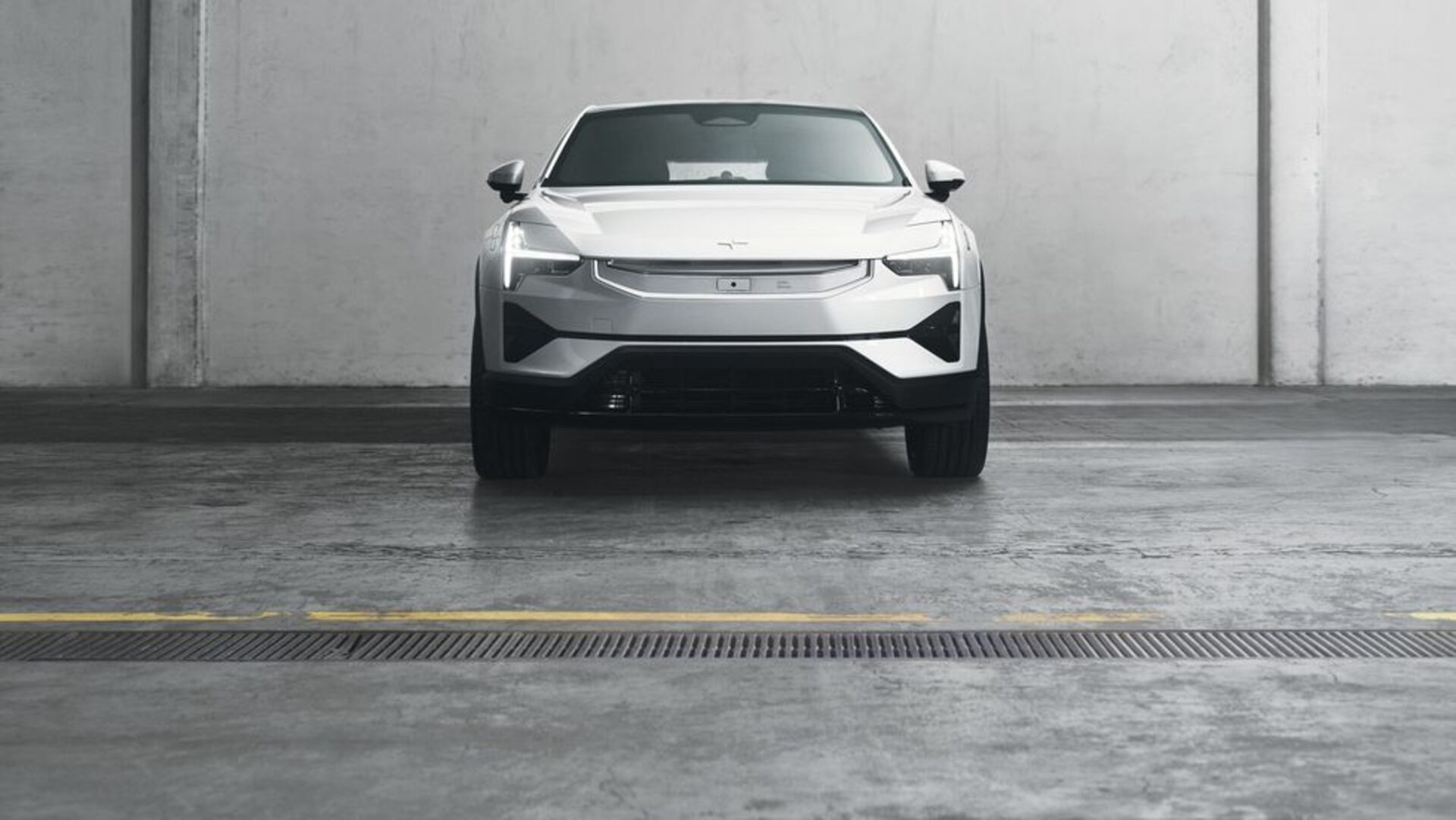
A new regulation complements the existing tariff barriers in the United States, completely barring Chinese companies, or companies with ties to the Asian giant, from this market.
Polestar will not be able to sell new vehicles in the United States from 2027. This situation follows the refusal of the US Department of Commerce to grant the Swedish brand an exemption under the rule known as Connected Vehicle Rule, which seeks to protect national security.
This regulation restricts the sale of connected vehicles manufactured by companies controlled by China or Russia, or that use key software suppliers from these countries. Authorities argue that it is necessary to prevent risks related to access to vehicle data and its connection to critical infrastructure. Although the rule focuses mainly on China, it also includes Russia.
The measure affects new models from the 2027 model year. Vehicles already manufactured, including the Polestar 3 and the Polestar 4, and all models up to 2026 will be able to continue being sold normally in the country. However, the Swedish brand, which is under the control of the Chinese giant Geely, recently presented major updates for both models for 2027, such as an 800-volt electrical architecture and higher charging power on the Polestar 3, as well as adjustments to the suspension of the Polestar 4, so it would not make much sense to keep selling outdated models.
Polestar looks to Europe
Given this situation, Polestar has announced that it will focus its efforts on the European market, where it already generates around 80 percent of its global sales. In the first quarter of 2026, 94 percent of its deliveries were made outside the United States. The company, headquartered in the Swedish city of Gothenburg, is mostly owned by the Chinese group Geely.
The Connected Vehicle Rule emerged from an initiative of the US government launched in 2024. Then-president Joe Biden compared modern vehicles to “smartphones on wheels” and warned about the dangers posed by access to their data and their connectivity. The regulation was finalized at the end of 2025 and applies to connected passenger vehicles of up to 4.5 tons.
From 2027, this regulation prohibits the sale of vehicles in the United States if the manufacturer or the suppliers of safety-related software are controlled by China or Russia. This especially affects connectivity systems, driver assistance, and automated driving. From 2030, the rule will also cover the corresponding hardware. In addition, it prevents Chinese manufacturers from testing autonomous vehicles on US public roads.
Finally, it is important to note that this measure is not limited to Chinese brands; it may also affect other manufacturers if their components or software fall within the scope of the regulation. The US Department of Commerce may grant exemptions on a case-by-case basis: Volvo received one, but the application from Polestar was denied. Neither party has clarified the reasons for this difference in treatment, even though both brands belong to Geely.


 Peugeot E-208 GTi: a battery-powered toy that revives the spirit of the 1980s sports cars
 New Lexus ES: luxury grows and goes electric
 First contact with the Dacia Sandero Hybrid 155: power and efficiency from €19,890
Deja un comentario