Stellantis is considering using Leapmotor technology in Europe to reduce costs
 Javier Cantagalli
27 February 2026
2 min.
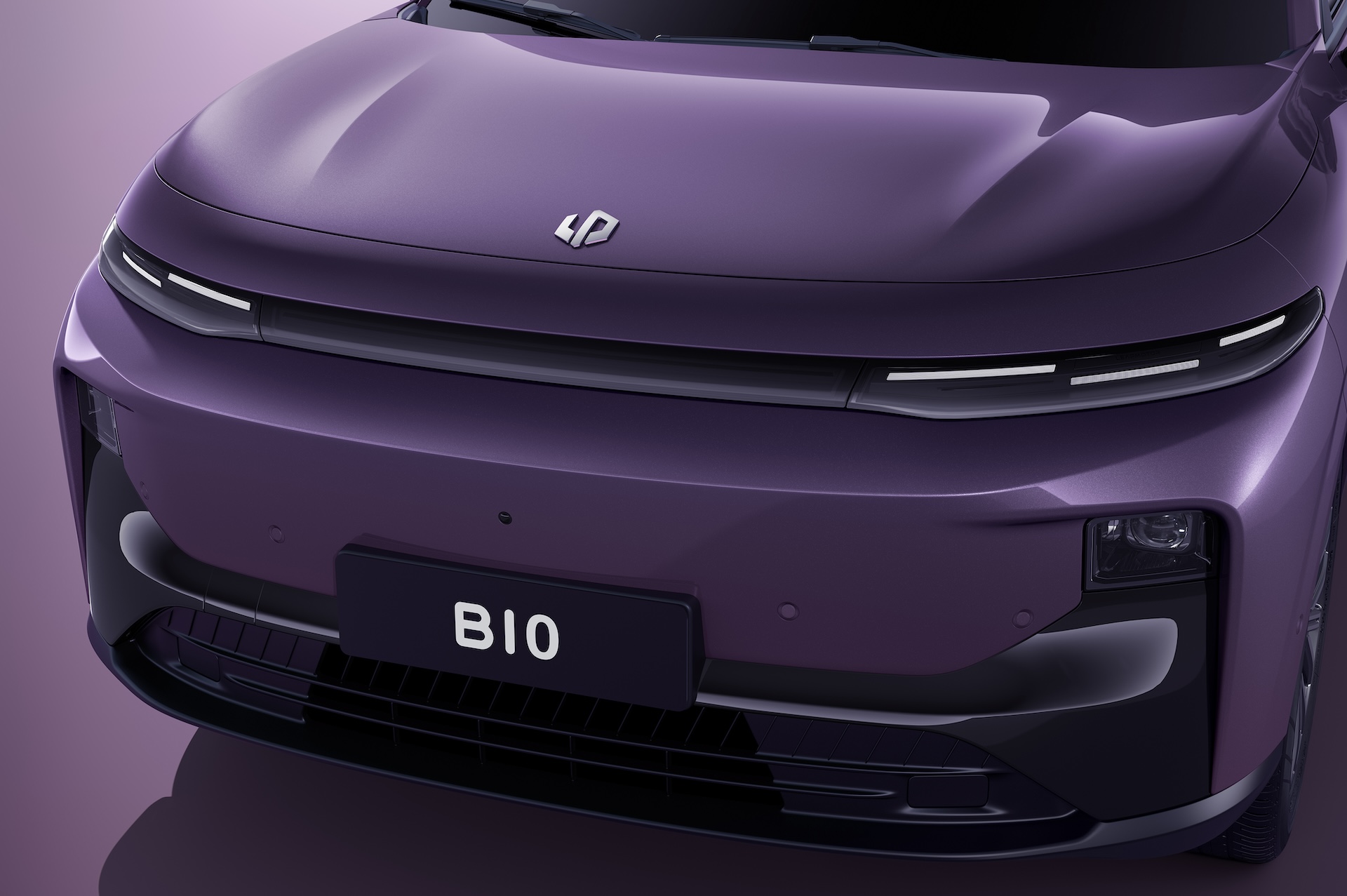
Stellantis sees Leapmotor technology as a more advanced alternative that would also allow it to reduce costs, which would help improve the competitiveness of the electric vehicles of its brands.
According to sources close to the company, Stellantis management is currently evaluating the possibility of incorporating the electric technology of its Chinese partner Leapmotor into the various brands of the group. The main aim of this move would be to reduce the production costs of the electric models of FIAT, Opel, Citroën or Peugeot, among others.
In any case, for this to be possible, Stellantis would first have to extend the scope of the existing cooperation agreement with the Chinese manufacturer. This is expected to happen before the end of this year.
Stellantis’s current collaboration with Leapmotor dates back to 2023, when the former acquired a 20 percent stake in the latter, and then set up Leapmotor International, a joint venture in which Stellantis holds a 51 percent stake and the Chinese company holds 49 percent. This new company is responsible for the marketing and production of models under the Leapmotor brand intended for international markets outside China, while technological development and local production remain in the hands of the Chinese company in its home country.
Stellantis wants to go one step further in its collaboration with Leapmotor
In Europe, Stellantis already distributes Leapmotor vehicles through its own dealer network and is preparing to start production of the B10 SUV at its Zaragoza plant in Figueruelas in Spain. Despite this high degree of collaboration, Stellantis does not, however, currently have direct access to the technology of its Chinese partner’s electric models, such as battery packs or electric propulsion systems.
Stellantis’s interest is a consequence of the good value for money that Leapmotor offers in its vehicles, which are also accompanied by a fairly generous level of equipment. If we compare any model from Stellantis’s brands with a similar model from Leapmotor, as a general rule the latter tends to offer superior specifications and a higher level of equipment when versions of similar price are selected in both cases.
If the negotiations succeed, Stellantis could integrate components such as electric motors, battery packs or control units into its current platforms, or even base new models of the group’s brands on Leapmotor architectures, such as the Leap 3.5. If this finally happens, it would be the first time that a major Western manufacturer adopts its partner’s Chinese technology to develop and sell electric vehicles in Western markets.


 Peugeot E-208 GTi: a battery-powered toy that revives the spirit of the 1980s sports cars
 New Lexus ES: luxury grows and goes electric
 First contact with the Dacia Sandero Hybrid 155: power and efficiency from €19,890
Deja un comentario