Stellantis will set aside electric platforms and develop new multi-energy architectures
 Victor Alós Yus @sepelaci
23 February 2026
3 min.
Stellantis continues on its path to keep offering more efficient combustion engines and to keep this type of drivetrain going for longer.
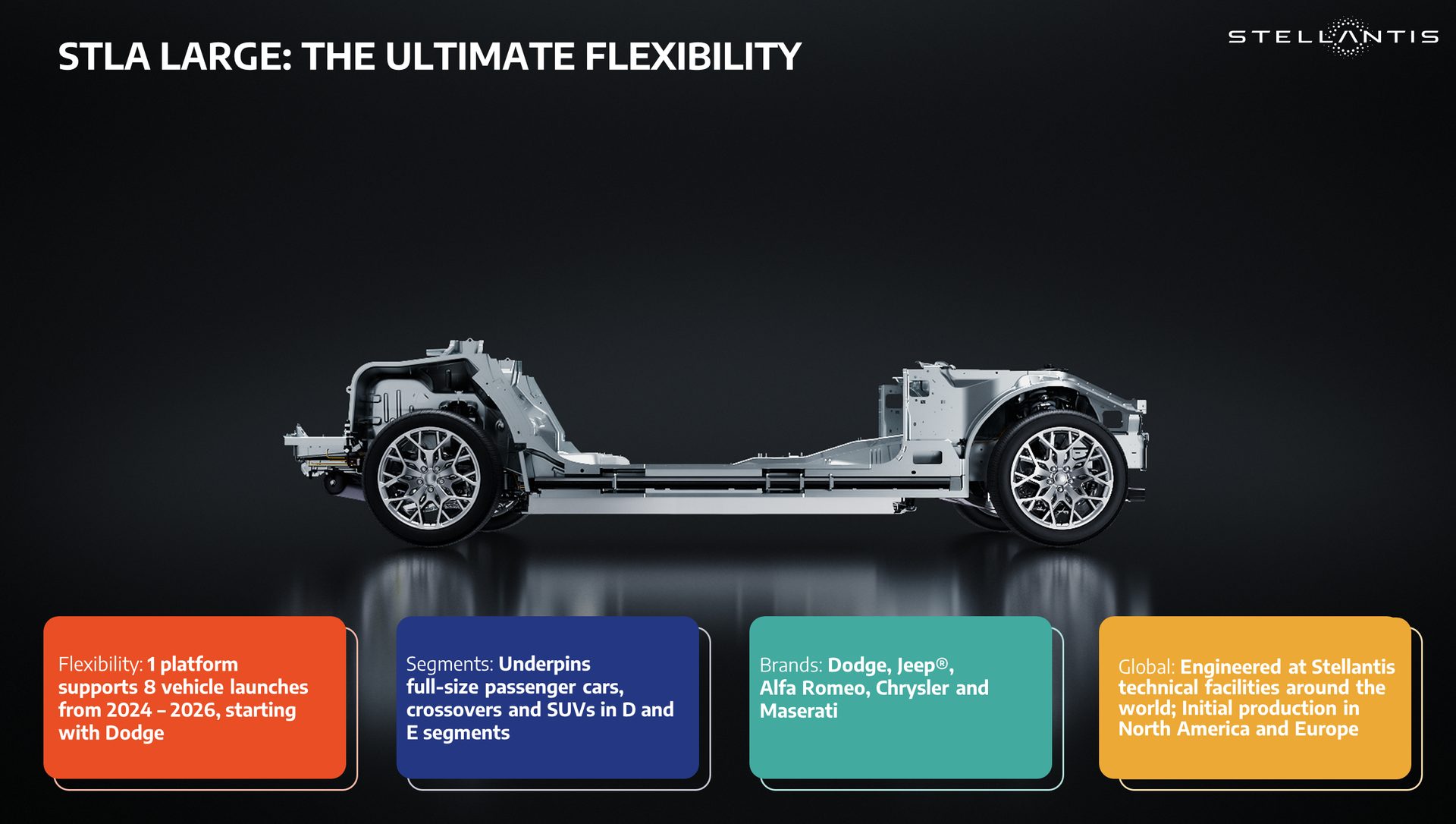
For a few years now, Stellantis has been working on two platforms created exclusively for use in electric models. The STLA Small and STLA Medium platforms are intended for the group’s electric models, but they could end up being discarded, or at least shelved for a while. The reason is that the carmaker’s bet is on combustion-engine models of different kinds, and it needs a modern platform that can accommodate this technology.
In principle, these new platforms will be modular and will be able to accept combustion, hybrid and plug-in hybrid engines and, once electric cars become profitable, they will be able to fit a pure electric drive system. In this way, the profitability of the models built on these platforms will multiply and will be attractive for the company.
Stellantis’s strategy runs in two phases. The first will last from 2026 to 2028, during which the current platforms will continue to be used, the two we have already mentioned and the STLA Large. During these two years, work will be carried out on developing the new platforms.
These will begin to be used widely from that year, 2028, onwards. To take this step, Stellantis has weighed the needs of many drivers, especially in Europe, who still do not trust the widespread adoption of electric cars and prefer cars with combustion engines, albeit with varying degrees of hybridisation.
The easing of the European Union’s emissions requirements, which, although still very high, are not as high as expected, allows combustion engines to continue beyond 2035. So brands will keep betting on this type of engine, though electrified to make them more sustainable.
The new platforms will allow Stellantis to adapt to the needs of each moment. If it becomes necessary to switch to an electric drivetrain, it could do so without problems, and if it has to return to a combustion-engine drivetrain, it can do so without much work or investment.
It is not known which platforms will arrive to replace the current ones, but there are clues. The CMP platform, which has already been successfully tested in hybrid and electric models, could be one that the company’s engineers work on to dedicate it to compact models. In the case of the group’s high-end models, such as the Alfa Romeo, work will be done on the Giorgio Evo platform.
In fact, this is the one being considered for the Alfa Romeo Stelvio and Giulia models, which could benefit from all the powertrains available for the brand. The official announcement will be made on May 21, when the group’s new strategy is presented, with all the information about these topics that we have been learning about in recent weeks.


 Peugeot E-208 GTi: a battery-powered toy that revives the spirit of the 1980s sports cars
 New Lexus ES: luxury grows and goes electric
 First contact with the Dacia Sandero Hybrid 155: power and efficiency from €19,890
Deja un comentario