The Peugeot 208 and 2008 receive the new generation of "Turbo 100" petrol engines
 David Lopez @espacionblanco
19 March 2026
3 min.
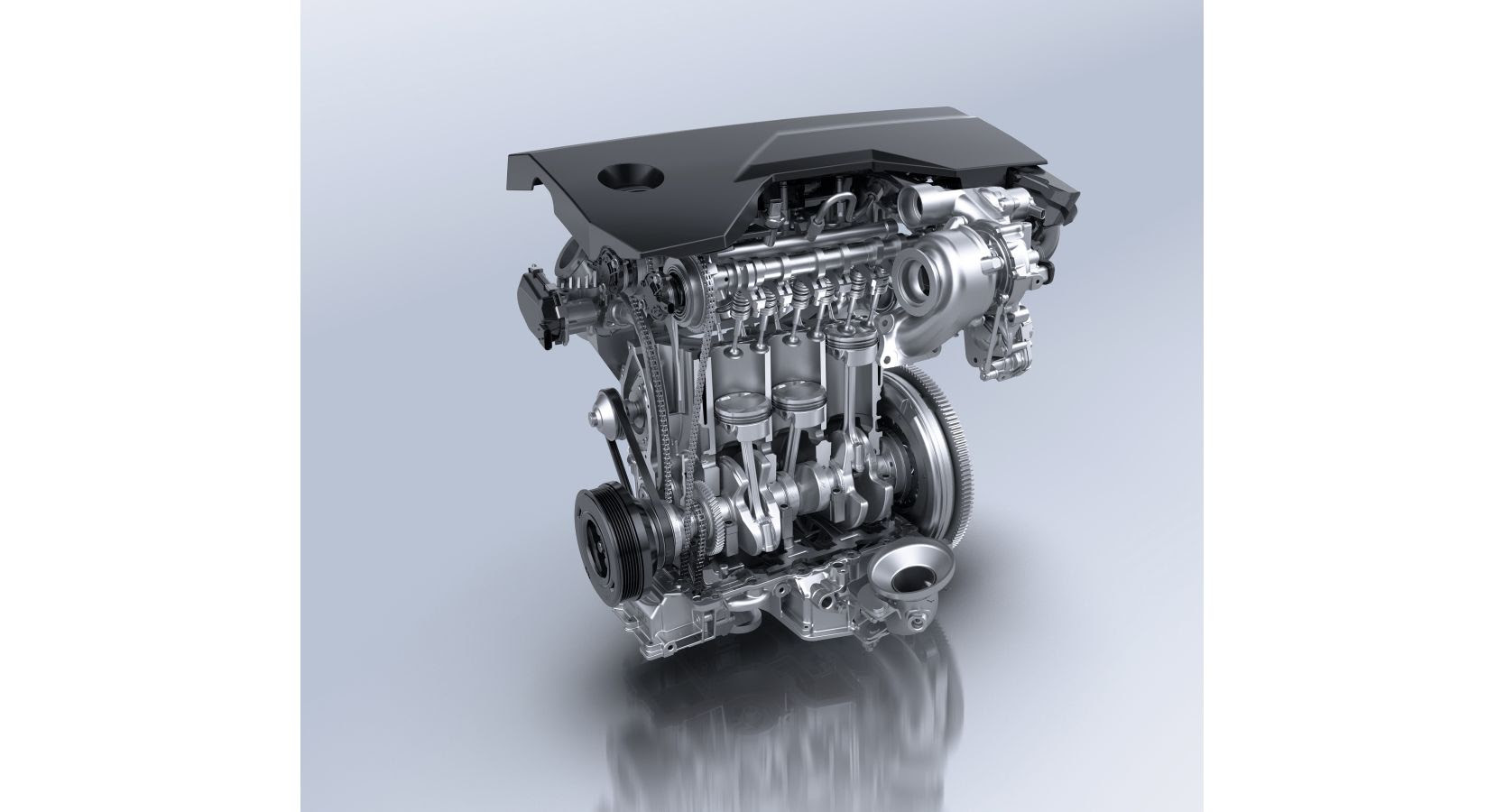
Stellantis unveils the new generation of Turbo 100 engines that will soon be fitted to the Peugeot 208 and, from May, to the 2008
Anyone who follows the automotive world even a little will know that the Puretech engines, that is, those 1.0 and 1.2-litre petrol engines built from 2012 to 2023 with codes EBDFA, EB2ADTD, EB2DTS and EB2DT fitted to models from Peugeot, Citroën, DS, Opel and the Toyota ProAce City, are engines you should run from as fast as you can. Among other “minor” problems, the most serious was the rapid and gradual disintegration of the timing belt, which runs in oil and can even seize the engine.
Thanks to the pressure from all these customers, Stellantis has at least extended the warranty and the corresponding maintenance coverage for these engines. In addition, from January 2025, it will cover the repairs carried out between January 2022 and March 2024. There is no trace of financial compensation for all the customers who had to sell their car after repairing it and having it break down again, or even scrap it.
Since summer 2022, Stellantis, in an attempt to solve this problem, has offered both repairs and replacement engines a new timing belt, which is more durable and degrades far less quickly than the previous one, so that the maintenance intervals are extended back to the original ones these engines had. Later, from early 2023, the new generation of these engines arrived, internally called Puretech Gen3, which uses a timing chain and helped begin restoring Stellantis’s image, partly because the Puretech name disappeared from public view.
These engines, known as “Turbo”, belong to the new generation, and Stellantis now presents a new evolution of them, called “Turbo 100“, which will soon be fitted to the Peugeot 208 from this March and to the Peugeot 2008 from May. These engines remain three-cylinder units of 1,199 cc, producing 101 CV (74 kW) at 5,500 rpm and a maximum torque of 205 Nm from 1,750 rpm.
Among the improvements is a new variable-geometry turbocharger that optimises the engine’s response at low revs, making it easier to drive in town or when overtaking. To this we must add a new high-pressure direct injection system at 350 bar, a variable valve timing system aimed at reducing internal friction, new cylinder heads, and an operating cycle based on the Miller cycle with a high compression ratio, which improves thermal combustion efficiency, new pistons, piston rings, engine block, while keeping the timing chain.
All these improvements contribute to greater engine robustness and lower oil consumption. Stellantis states that the engine has undergone exhaustive and demanding testing, with more than 30,000 hours on test benches and a total of over 3 million kilometres on test mules. Models equipped with this new engine will have a reduced service schedule, based on a single service every 2 years/25,000 km (previously it was every 1 year/20,000 km), with an annual interim check. They will also benefit from the Peugeot Care programme, which offers a warranty of up to 8 years/160,000 km.
https://www.youtube.com/watch?v=Fgn5Q_vLtQ4
Technical specifications of the cars in this article


 Peugeot E-208 GTi: a battery-powered toy that revives the spirit of the 1980s sports cars
 New Lexus ES: luxury grows and goes electric
 First contact with the Dacia Sandero Hybrid 155: power and efficiency from €19,890
Deja un comentario