The Smart #1 receives an update with a new 800V architecture and a battery with 6C charging
 Javier Cantagalli
30 July 2026
2 min.
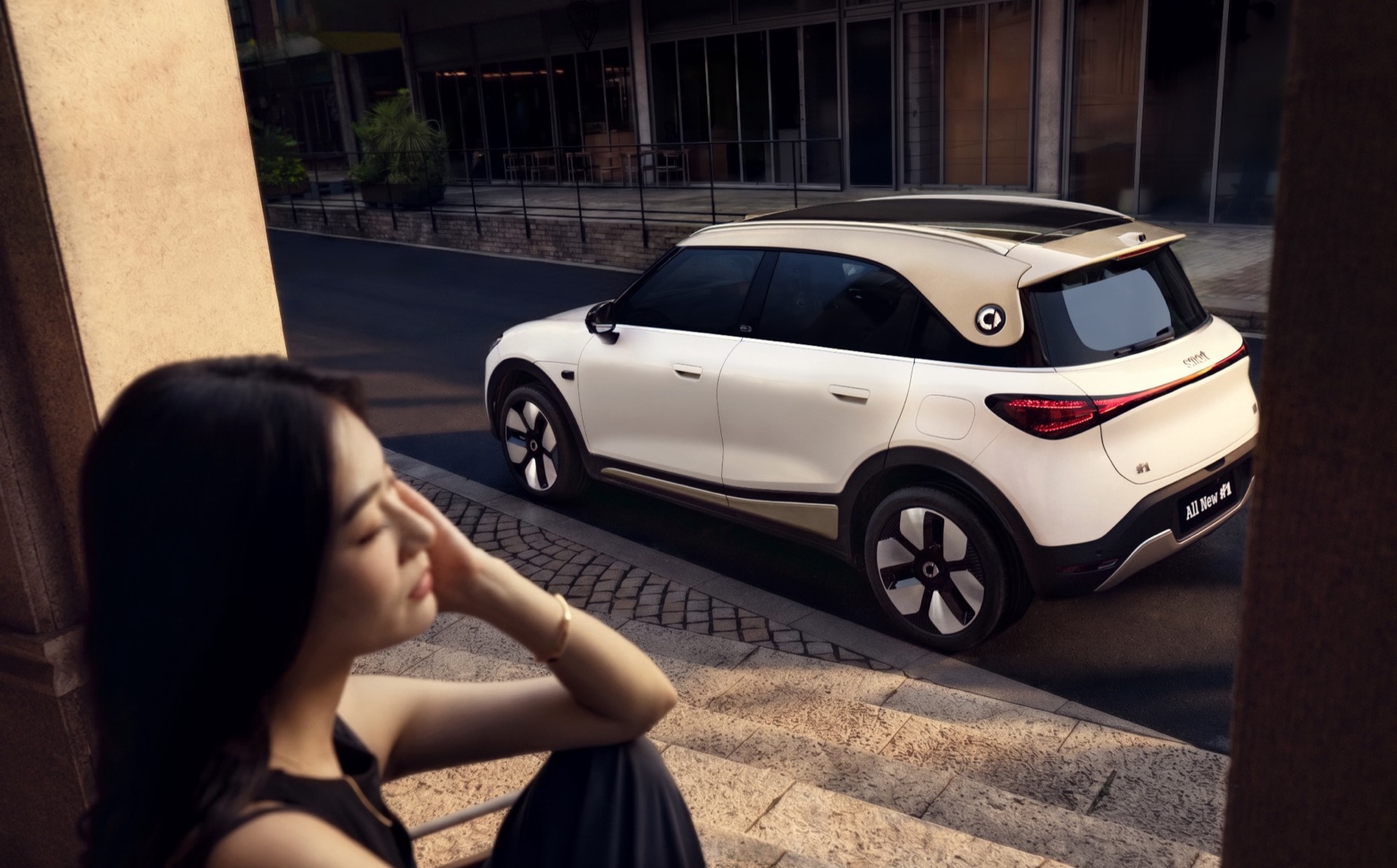
For the time being, this updated version will be exclusively available in the Chinese market, but it is not out of the question that it may become available in other markets, such as Europe, in the future.
The electric SUV Smart #1 has just received a comprehensive restyling that includes an 800-volt architecture and a battery capable of charging at 6C. Starting in early August, the manufacturer will launch a heavily revised version of the #1 exclusively for the Chinese market. According to the brand, the restyling incorporates more than 200 product and equipment improvements, with the aim of strengthening its competitive position in the crowded premium urban electric vehicle segment.
From a technological standpoint, the model benefits from the experience of Mercedes-Benz and Geely. The company has thoroughly redesigned the electrical architecture and digital systems, a step it considers key to its global growth strategy.
The SUV retains the design language shaped by Mercedes-Benz, but incorporates visual updates such as the new paint colours Blue Gold and White Gold, aerodynamic refinements, a revised rear spoiler and 19-inch lightweight alloy wheels, without altering its distinctive silhouette.
Less time lost at the charging point
The most significant changes, however, are found inside. Smart introduces an 800-volt architecture with silicon carbide, and presents it as a differentiating feature in this segment. The new battery it features, whose capacity rises from 66 to 61.52 kWh, stands out for supporting 6C fast charging, which makes it possible to go from 10 to 80 per cent charge in just twelve minutes under optimal conditions.
It is also worth noting that the electronics and software have been renewed. The updated Smart #1 uses the EEA4.0 architecture and features a 4-nanometre processor alongside the Flyme Auto operating system. The driver assistance system incorporates 31 sensors, including LiDAR, which enable functions such as map-free navigation in town and on motorways (NSP) and parking in all kinds of scenarios.
It is not yet clear, however, when this revised version will reach Europe, or what adaptations would be made if it finally arrives on the Old Continent. A system with 31 sensors would be highly unusual in our market, so some functions may be reduced. Conversely, the 800-volt architecture would be very well received by many European customers. A launch this year seems unlikely, so 2027 is shaping up as a more realistic option.
Technical specifications of this car


 Peugeot E-208 GTi: a battery-powered toy that revives the spirit of the 1980s sports cars
 New Lexus ES: luxury grows and goes electric
 First contact with the Dacia Sandero Hybrid 155: power and efficiency from €19,890
Deja un comentario