Toyota will stop selling diesel vehicles in Spain from 2019
 David Lopez @espacionblanco
13 December 2018
3 min.
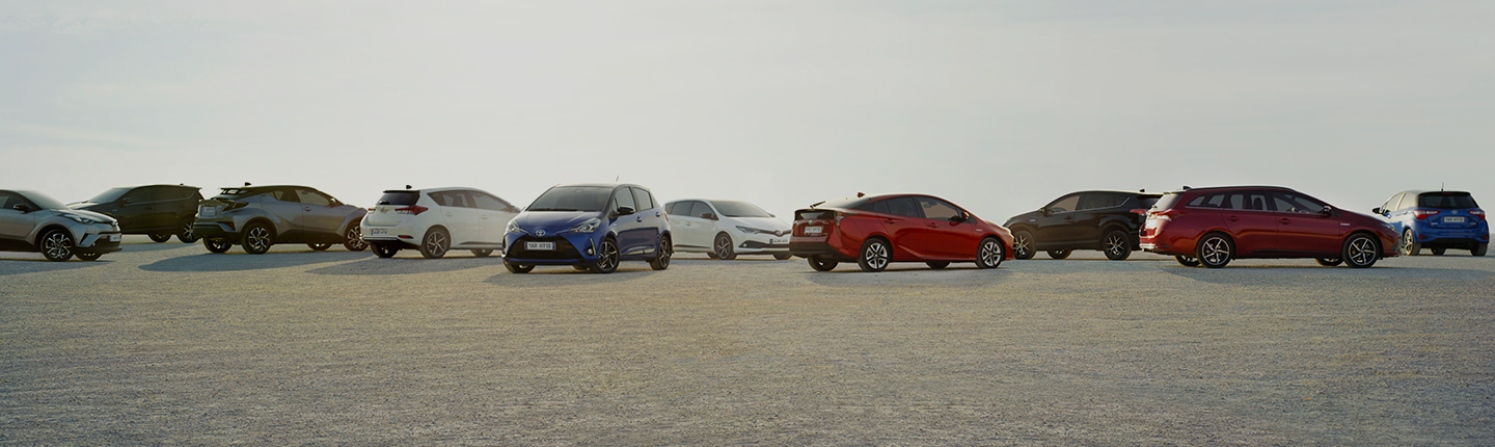
As a pioneer in daring to adopt hybrid engines, Toyota once again takes a step forward and announces the end of diesel in its passenger cars starting in 2019
Since the outbreak of the “Dieselgate” scandal involving Volkswagen, we have witnessed a “demonization” of this type of engine by institutions and part of society, which has undoubtedly helped to accelerate the disappearance of diesel engines from our roads, even though it continues to prove itself as an engine that remains very reliable and, above all, less polluting than petrol engines.
Nevertheless, what is clear is that engines running on fossil fuels are destined to disappear. Yet, however much governments insist on bringing forward deadlines, a great deal still needs to be developed and invested so that everyone can easily access an electric or hydrogen vehicle. In the meantime, during this intermediate phase we are now in, alternatives such as vehicles running on CNG or LPG, as well as full hybrid electric vehicles, are the best option and still have a lot to offer.
An example of this is that all brands have at least one of these models in their range, and they will expand it as they renew their various models. As the standard-bearer of hybrid technology, we could consider Toyota, a brand that 18 years ago revolutionised the market with the Prius, becoming a pioneer of hybrid technology, going on to surpass the figure of more than 200,000 hybrid units sold in Spain alone between Toyota and Lexus. This translates into 71% of Toyota’s sales corresponding solely to hybrid vehicles, growing by 418% in the last five years alone, while at Lexus the share is 100%.
In this way, on the other side of the scale, Toyota no longer sells as many diesel engines; in fact, sales of these vehicles have fallen by 40% in Spain alone over the last five years, so the decision they have taken does not surprise us at all: Toyota will stop offering diesel engines in its newly produced passenger cars from 2019, thus offering at least one hybrid version for every new passenger car launched from 2019 onwards.
This decision is reflected in its Toyota Environmental Challenge 2050 plan, launched at the end of 2015, which consists of six very important points for the company to be achieved over the next 35 years, all of them aimed at making vehicles definitively more sustainable. The first point is where we could place this decision they have taken, since it sets the year 2050 as the target for vehicles that emit 90% less CO2 compared with those sold in 2010, and it seems they are on the right track, since Toyota has managed to reduce CO2 emissions from its new vehicles by 16% in the last five years alone.


 Peugeot E-208 GTi: a battery-powered toy that revives the spirit of the 1980s sports cars
 New Lexus ES: luxury grows and goes electric
 First contact with the Dacia Sandero Hybrid 155: power and efficiency from €19,890
Deja un comentario