Xiaomi creates a subsidiary dedicated exclusively to the production of electric motors and batteries
 Javier Cantagalli
19 May 2026
3 min.
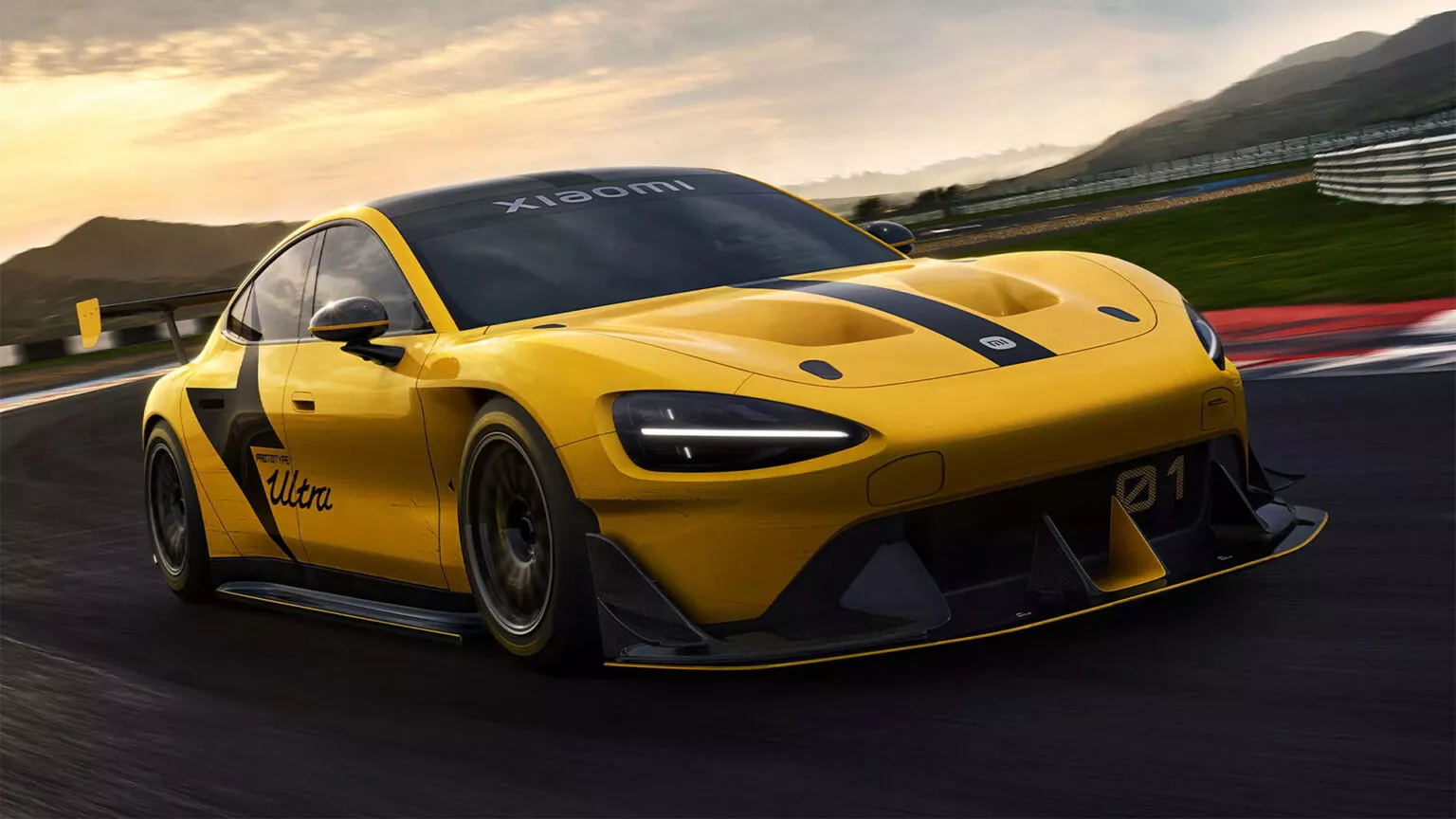
With this new subsidiary, Xiaomi aims to reduce its dependence on external suppliers and gain better control over essential technologies for its vehicles.
Xiaomi has just taken an important new strategic step in the automotive sector with the creation of a new subsidiary dedicated to producing key components for its electric vehicles. This new company, named Beijing Xiaomi Jingxu Technology, was officially established on 30 April with a registered share capital of around 1.3 million euros at current exchange rates. Xiaomi Intelligent Technology owns 100 percent of this new company, which is focused on the development and production of batteries, electric motors and electronic control systems.
Today, like many other electric vehicle manufacturers, Xiaomi depends on external suppliers who supply the cells for the batteries of its electric models. However, as a result of collaboration agreements with these same suppliers, Xiaomi was already working on the design of the batteries for its vehicles. This is how, for example, the CTP3.0 batteries emerged together with CATL, and another project with BYD Fudi related to LFP batteries.
Likewise, in the field of motors, the Chinese manufacturer had already developed in-house the powerful electric drive units HyperEngine V8s and V6s. The first of these is capable of reaching 27,200 revolutions per minute, with 425 kW and a torque of 635 Nm; this drive unit is intended for high-performance configurations such as the SU7 Ultra, which combines two V8s and one V6s to exceed 1,100 kW of combined power. The V6s, for its part, reaches 21,000 revolutions per minute and 288 kW of power.
New battery production plant on the way
In parallel with the creation of this new subsidiary, Xiaomi is preparing to build, through a joint venture, new facilities dedicated to battery production. According to Chinese media, this project has an annual capacity of 15 GWh and will begin operating towards the end of this same year. The plant is part of Shidai BAIC New Energy Technology, a company that brings together CATL, BAIC, Jingneng and Xiaomi Auto. Everything points to the location chosen for these new facilities being quite close to Xiaomi’s current plant in Yizhuang.
This new initiative is further evidence of Xiaomi’s rapid consolidation in the automotive sector. As we have already told you here at HighMotor on previous occasions, two years after the launch of its first model, the SU7, Xiaomi’s electric vehicle division has already reached profitability, reporting a positive EBIT of more than 110 million euros in fiscal year 2025.
For 2026, the target set by Xiaomi is also very ambitious, aiming for deliveries of 550,000 vehicles. Although it is true that as of 1 May, only around 20 percent of this goal had been achieved. In any case, with the arrival of new models in the Chinese manufacturer’s range, such as the YU7 GT and the SU7L throughout 2026, Xiaomi expects a strong boost in its sales.


 Kia offers an electric range of 10 models, 50 versions and 400 possible combinations
 The seven finalists for the 2027 European Car of the Year (COTY) are exclusively electric
 Peugeot E-208 GTi: a battery-powered toy that revives the spirit of the 1980s sports cars
Deja un comentario