Sweden raises objections to the EU-wide approval of Tesla's FSD
 Javier Cantagalli
1 July 2026
2 min.
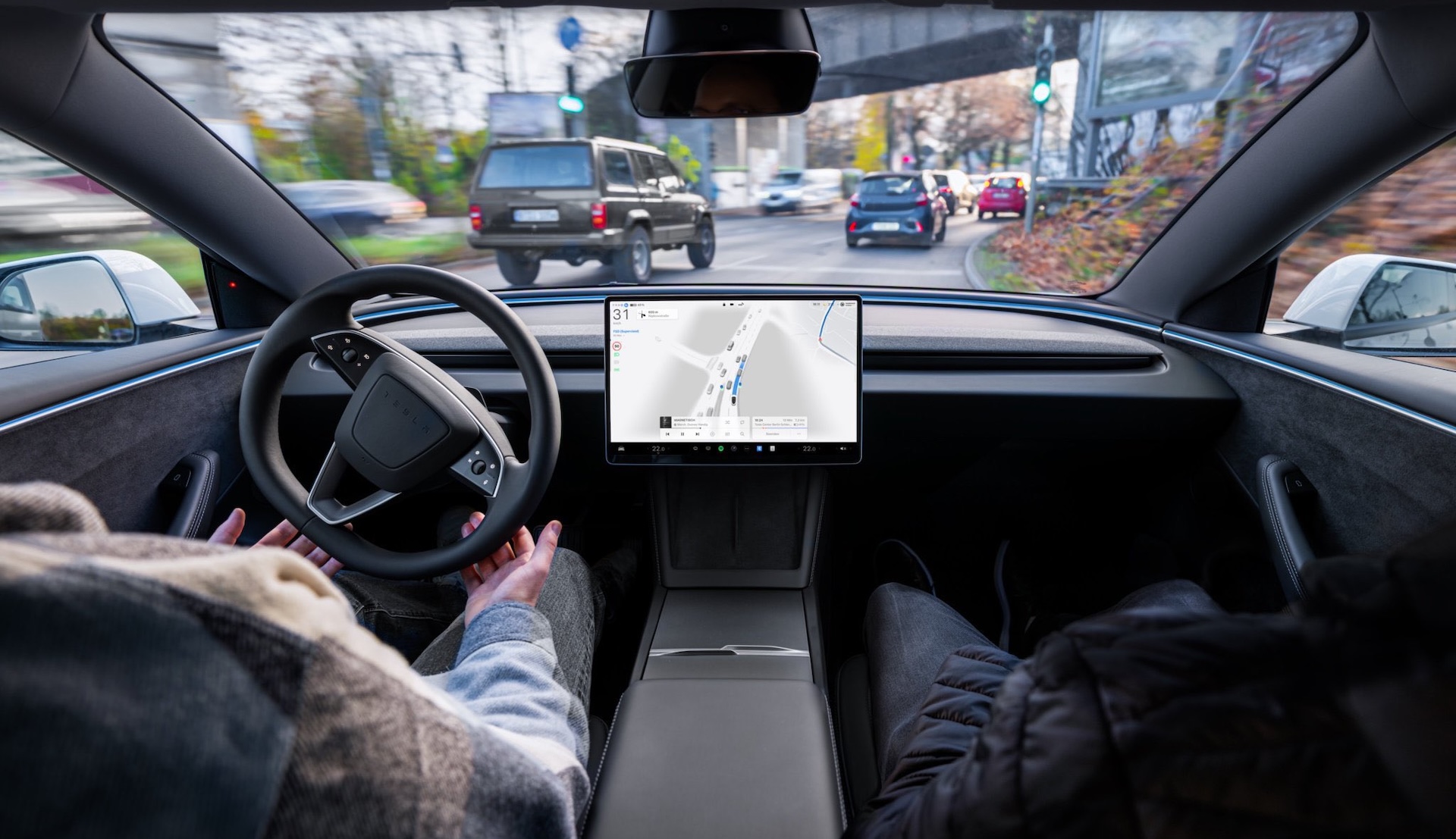
Europe faces the dilemma of fostering innovation in autonomous mobility without compromising the high safety and regulatory compliance standards that characterise the region.
Following the approval of Tesla’s Full Self-Driving -FSD- system in the Netherlands, the first European country to authorise its use on public roads, it seemed that its expansion across the continent was only a matter of time. However, not all member states share the same enthusiasm. The Swedish Transport Administration (TRV) has formally recommended that the European Union vote against the EU-wide approval of the system in its current form.
The main point of friction is the Speed Offset function, which allows the vehicle to slightly exceed the established speed limits. Although many drivers routinely set their cruise control slightly above the limit, this Swedish agency considers that this feature becomes more problematic when it forms part of an autonomous driving system. According to the TRV, allowing an autonomous system to systematically exceed legal limits poses a risk that could undermine both the regulatory framework and the supposed safety benefits of autonomous motoring.
Sweden sets out its reservations
In a letter sent to the EU’s Technical Committee on Motor Vehicles (TCMV), the Swedish authority warned that this practice could undermine trust in the technology and increase hazards on the road. Beyond the speed issue, Sweden has also expressed concern about the FSD’s not-yet-sufficiently-tested behaviour in extreme winter conditions with heavy snowfall, and it is also unconvinced by the use of the name Full Self-Driving -FSD- which, in its view, could create misleading expectations about the vehicle’s true level of autonomy.
The TCMV’s decision will determine whether the authorisation granted in the Netherlands extends to the rest of the European Union or not. So far, Tesla has achieved notable progress: in addition to the Netherlands, the system is already available in Belgium, Denmark, Lithuania and Estonia. In Greece, the transport ministry initially showed reluctance over the use of data originating in the United States, but acknowledged the system’s potential to significantly reduce accidents.
Tesla maintains that, although the vehicle handles the driving, the human driver remains ultimately responsible and can intervene at any time. However, for Swedish regulators this argument is not sufficient to dispel doubts about safety.


 Peugeot E-208 GTi: a battery-powered toy that revives the spirit of the 1980s sports cars
 New Lexus ES: luxury grows and goes electric
 First contact with the Dacia Sandero Hybrid 155: power and efficiency from €19,890
Deja un comentario