The fifth generation of the BMW X5 will storm the market with a major technological leap and a wide range of engines
 David Lopez @espacionblanco
2 July 2026
4 min.
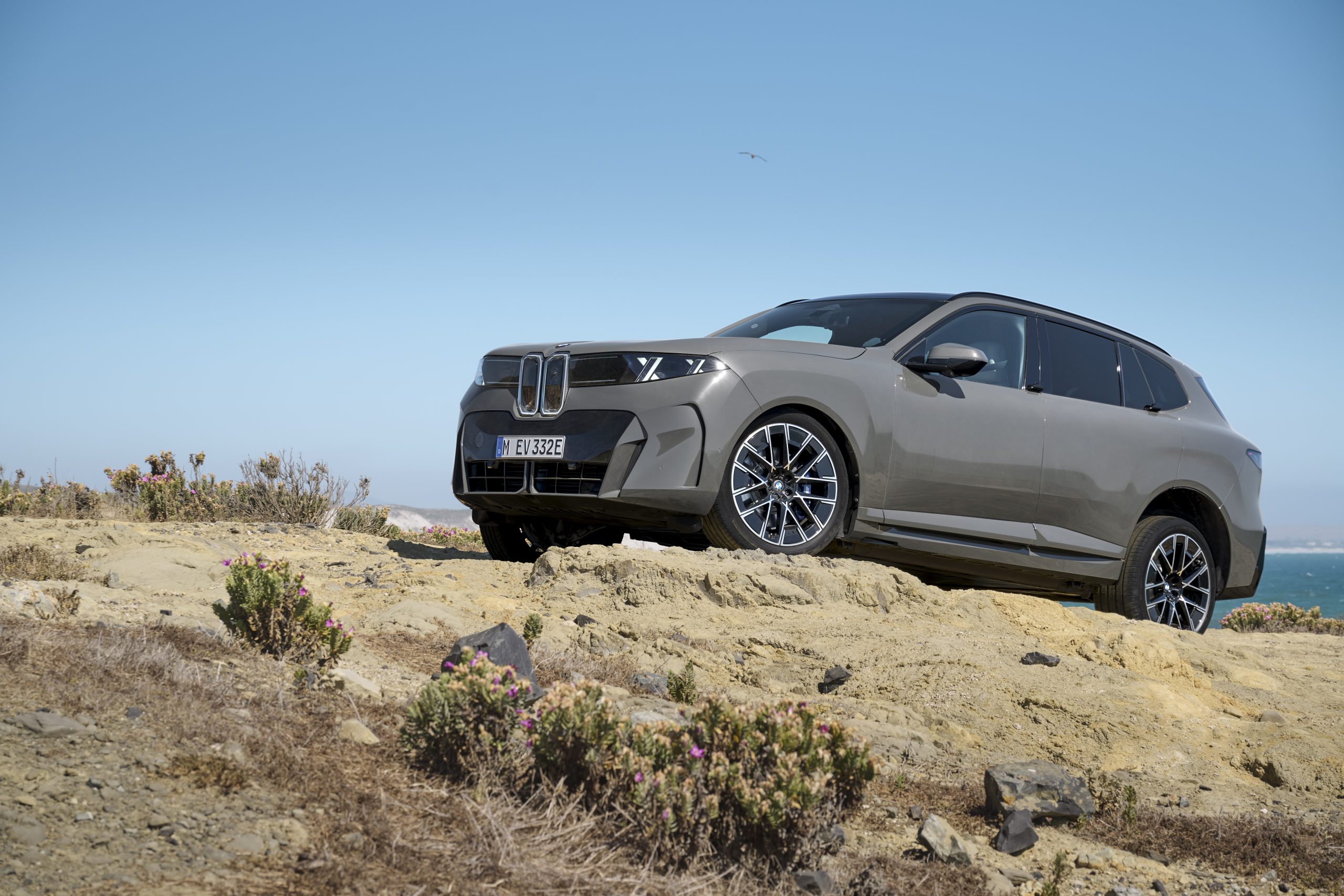
The BMW X5 was the model that launched the “X” family of BMW back in 1999, and now its fifth generation arrives with a qualitative leap in technology
It was back in the distant year of 1999 when BMW launched to the market the X5, a premium SUV that the brand itself calls the first Sports Activity Vehicle (SAV) in its lineup and, of course, the first that marked the beginning of the BMW X family. Almost three decades later, the brand is ready to present the fifth generation, with a new design and a technological leap inherited from the Neue Klasse.
It is immediately apparent that the new generation of the BMW X5 adopts the brand’s new design language initiated with the Neue Klasse, highlighted by the striking front end formed by the Iconic Glow grille, with its new design for the characteristic kidney shapes and topped by the new adaptive LED headlights, which include daytime running lights in the form of a double “X”. The front bumper features discreet air intakes both on the sides and at the bottom, giving greater prominence to the contrast of surfaces in a color different from the rest of the bodywork.
From this bumper, which conveys a sense of greater width and height, emerge fluid, harmonious lines, shaping the pronounced wheel arches that blend perfectly with the clean flank of the new BMW X5, where the door handles have also been dispensed with in favor of the BMW “windglets” that double as handles. The lines flow toward a rear end that clearly draws its inspiration from the Neue Klasse, with a new tailgate incorporating a redesigned rear light cluster that spans its entire width, nearly meeting in the center, where space is left for the BMW logo. BMW will allow the new X5 to be configured in eleven colors, four of which are BMW Individual, along with a wide selection of wheels ranging from 21 to 23 inches.
Most brands today have accustomed us to creating virtually identical vehicles in different sizes for different segments, and BMW is not distinct in this very unfortunate trend, so if you have been following the brand’s latest presentations related to the Neue Klasse, the interior of the new BMW X5 will not surprise you at all. Obviously, in terms of technology it is a qualitative leap over the outgoing generation, but nothing that has not already been presented, such as the BMW Panoramic iDrive, the BMW Panoramic Vision with plenty of information along the lower part of the windshield, the BMW 3D Head-Up Display, the 17.9-inch central screen, or the BMW Passenger Screen for the front passenger.
In terms of driver assistance and driving aid systems, the new BMW X5 also includes the brand’s latest innovations, such as the Entre-2-Exit system for motorways or Address-2-Address in the city, the former being combinable with the optional Motorway Assistant, which allows hands-free driving on motorways up to 131 km/h. All these assistants use BMW Symbiotic iDrive with the aim of guaranteeing and providing navigation-guided driver assistance. We can also highlight the Driver assistance with BMW Soft-Top and the Park Assist with parking space detection and AI-assisted maneuver planning as standard.
The new BMW X5 will be offered in a wide selection of engines to meet the needs of all types of customers. The conventional gasoline and diesel powertrains, both with mild-hybrid technology, are handled by the X5 40 xDrive and X5 40d xDrive versions, using in both cases inline six-cylinder engines producing 400 CV and 313 CV respectively. There are also plug-in hybrid options from the X5 50e xDrive and X5 M60e xDrive, with outputs of 489 CV and 612 CV respectively, as well as electric ranges that in both cases reach 100 kilometers.
As for fully electric versions, you can opt for the iX5 60 xDrive with an output of 578 CV and a combined range of between 645 and 845 kilometers according to the WLTP cycle. Later, the BMW iX5 Hydrogen will make its market debut, being the first vehicle from the brand with its innovative fuel cell technology and also the first hydrogen-powered vehicle with electric all-wheel drive.
Technical specifications of this car

 Peugeot E-208 GTi: a battery-powered toy that revives the spirit of the 1980s sports cars
 New Lexus ES: luxury grows and goes electric
 First contact with the Dacia Sandero Hybrid 155: power and efficiency from €19,890
Deja un comentario