Test drive Opel Grandland: the SUV gets a makeover and offers HEV, PHEV and pure EV powertrains with up to 700 km of range
Óscar Sanz
10 October 2024
6 min.
From a 48-volt mild hybrid to a plug-in hybrid with 195 CV, but the real star is the Grandland Electric, with a range of up to 700 kilometres in its most advanced version thanks to Stellantis group’s STLA Medium platform
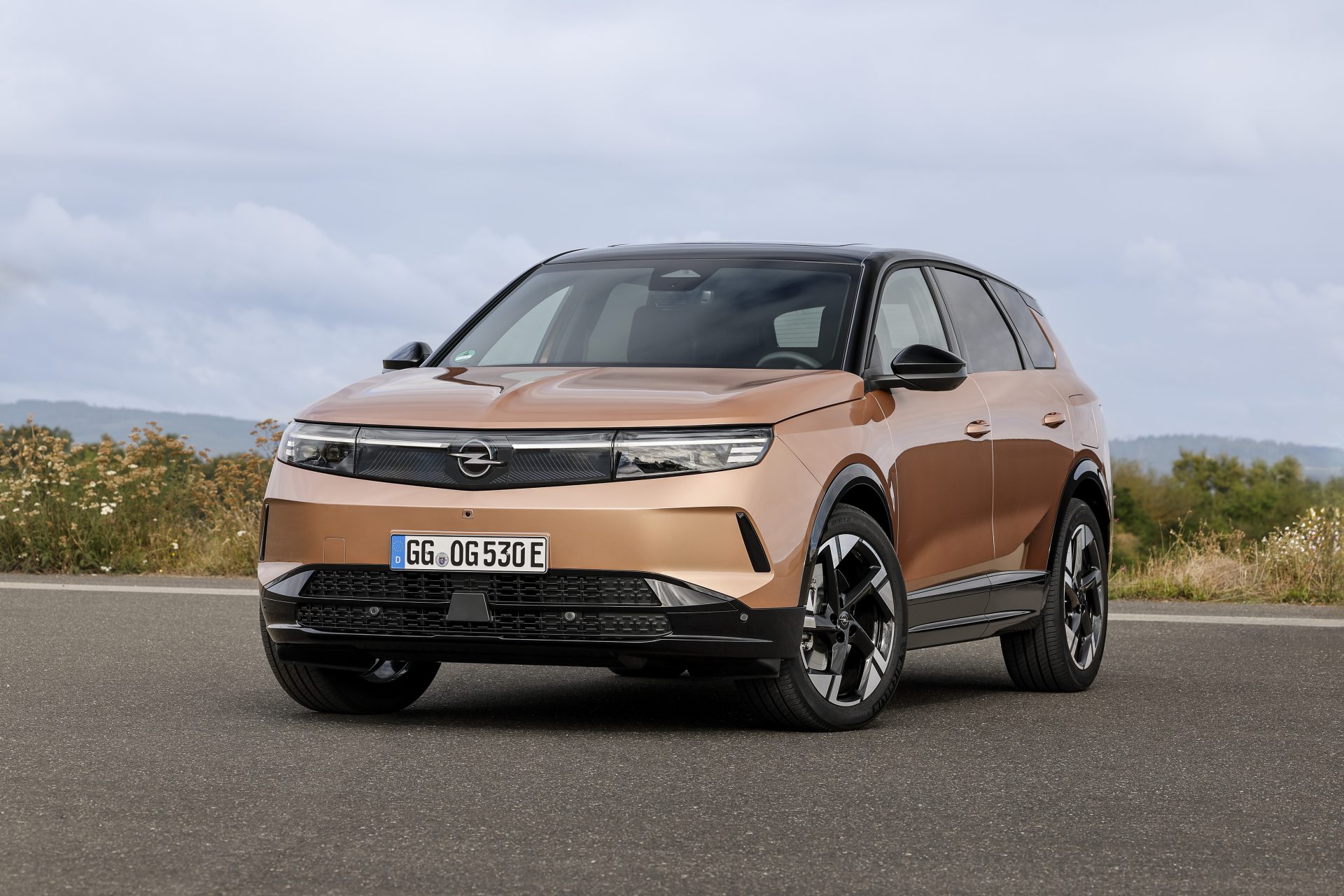
We travelled to Frankfurt to test the new generation of the Opel Grandland, a SUV that arrives on the market with force and positions itself as the largest in the brand’s line-up, at 4.65 metres long (17 cm more than the previous version), and which only offers electrified engines: pure electric, plug-in hybrid and 48V mild hybrid. Following its world premiere in Eisenach, this SUV has now announced its prices in Spain, starting from €32,400 for the 48V Hybrid version and from €39,850 for the fully electric version (without MOVES Plan aid).
Electrified engines only
The new Grandland comes with three options of electrified powertrain: a 48-volt mild hybrid, a plug-in hybrid and a fully electric version. The latter stands out for its powerful 157 kW (213 CV) and 345 Nm motor, powered by an 82 kWh battery, which allows it to travel up to 582 kilometres with zero emissions, according to the WLTP cycle. There is also a version with a 73 kWh battery, which offers a range of 523 kilometres. For those seeking greater range, next year an option with a 97 kWh battery will be available, promising up to 700 kilometres between charges.
This SUV is the first Opel model to use Stellantis’ STLA Medium platform, designed specifically for electric vehicles, which guarantees efficient and sustainable performance. As for charging, the Grandland can charge up to 80% of the battery in under 30 minutes at fast-charging stations, thanks to its 160 kW charging capacity.
Impressive design and improved functionality
Now, it measures 4.65 metres in length, 1.93 metres in width and 1.66 metres in height, making this model larger than its predecessor, offering more interior space for both passengers and cargo. The boot has also grown by about 40 litres, now reaching 550 litres, but if the seats are folded, which split in a 40:20:40 ratio, it reaches a maximum capacity of 1,645 litres (the brand confirms that next year a seven-seater version will arrive for families needing more seats, just like its sibling the Peugeot).
The front of the Grandland features the distinctive Vizor 3D, with the Blitz logo illuminated in the centre, which together with the illuminated “OPEL” letters at the rear reinforce its modern visual identity. Inside, ergonomics and comfort take centre stage. The central screen of up to 16 inches, angled towards the driver, along with the raised centre console, creates a sporty and technological ambience. The seats, certified by the Aktion Gesunder Rücken organisation (AGR), ensure a comfortable and healthy posture, and all interior materials are made from recycled elements, in line with Opel’s ecological commitment.
Lighting has also been a focus of innovation. The Grandland’s Intelli-Lux HD system, with more than 50,000 elements, offers glare-free illumination, improving visibility and safety when driving at night.
“Greenovation” the German way
Opel has named its ecological approach “Greenovation”, a concept that champions sustainability in every aspect of the vehicle. The new Grandland dispenses with chrome in its exterior design and uses recycled materials in the interior. This commitment to the environment is also reflected in the exclusively electrified powertrain line-up, which not only reduces local emissions to zero but also improves the vehicle’s energy efficiency.
For those seeking a hybrid alternative, Opel offers a model with 48-volt technology, combining a 1.2-litre turbo petrol engine with a 21 kW electric motor. This light hybrid version delivers balanced performance with 136 CV, while the plug-in hybrid version raises total power to 195 CV and 350 Nm of torque.
The new Opel Grandland will be available in two trim levels: “Edition” and “GS“, allowing customers to personalise the vehicle according to their preferences. In addition, optional packs such as the “Comfort” and “Tech” are offered, adding comfort and advanced technology features.
Test drive, consumption and verdict
We drove around Frankfurt testing the three versions currently available: the 48V micro hybrid with the 136 CV engine, the electric version with the 73 kWh battery, and the other version with the 82 kWh battery. Between the two versions with different batteries, there are not many differences to highlight beyond the range. The electric version is very comfortable, very well insulated, and the interior with the 16-inch screen and the AGR-certified seats are among the most comfortable. Thanks to the battery being integrated into the floor of the cabin, it feels more planted on the asphalt, but that doesn’t mean it’s a sports car, although it handles bends well and body roll is not very noticeable.
In this version, the only thing to highlight is the driving modes, which have achieved quite a good reduction in power across the different modes: ECO mode sets power at 160 CV, Normal mode at 180 CV, and Sport mode at full power, 213 CV. This range allows us to reduce consumption depending on the terrain on which we are driving. Focusing on consumption, we had the opportunity to cover 60 kilometres with this unit, during which the average consumption recorded figures of 18.2 kW/100 km, a fairly high average, but I am sure it could be reduced with a more moderate right foot on the accelerator pedal.
As for the 48V micro hybrid version with the 1.2 L turbo petrol engine, there is much to tell, but I will give you a brief summary. It is an engine we had already tested in other models such as the Jeep Avenger or its smaller sibling the Opel Mokka, and in both tests consumption seemed rather high, something that, as expected in this Grandland (which grows in size), has left us with the same impressions, with an average consumption of around 7 L/100 km. Micro hybrid versions with 1.6 L engines will arrive later, with which this consumption is expected to be reduced. The brand says it can run in electric mode up to 50% of the time in urban driving, reaching speeds of 135 km/h, something that will only happen if we do not press the accelerator and road conditions are fairly flat.
Prices for the Grandland range start at €32,400 for the 48V micro-hybrid version, €39,350 for the PHEV version arriving next year, and from €39,850 for the fully electric version with the smaller 73 kWh battery (with brand discounts but without MOVES Plan aid).
 Óscar Sanz
10 October 2024
6 min.
 Peugeot E-208 GTi: a battery-powered toy that revives the spirit of the 1980s sports cars
 New Lexus ES: luxury grows and goes electric
 First contact with the Dacia Sandero Hybrid 155: power and efficiency from €19,890